
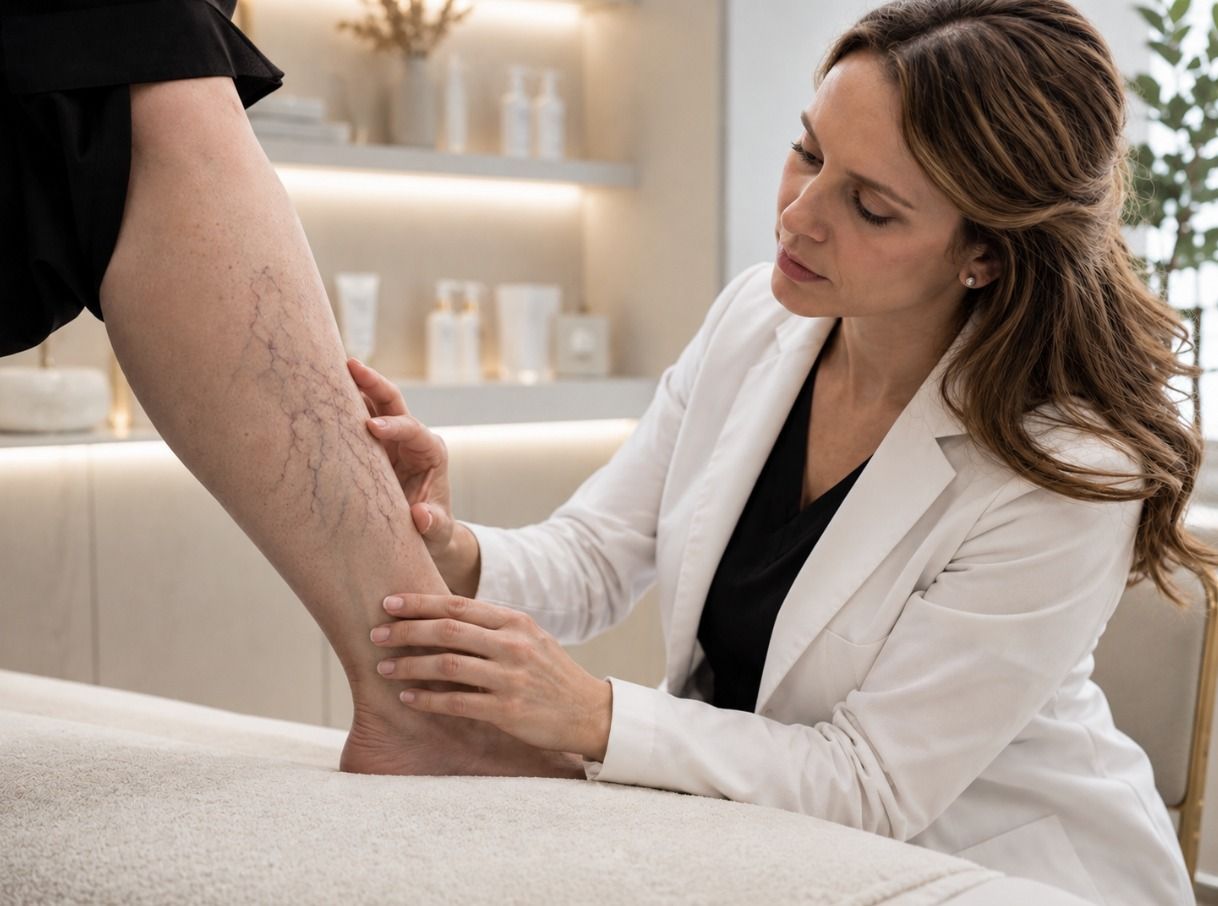
Spider veins often show up gradually. A few thin red or blue lines appear around the ankles, calves, or thighs, then slowly become more noticeable over time. While spider veins are usually harmless, many people dislike how they affect the appearance of their legs or face.
Fortunately, modern spider vein treatment offers several ways to reduce the appearance of these visible blood vessels. Treatments such as sclerotherapy have been used for decades and remain among the most trusted options for improving spider veins with minimal interruption to daily life.
If you are considering spider vein treatment in Carmel, IN, understanding the causes, treatment options, recovery process, and safety considerations can help you feel more confident about your next step.
What You'll Learn From This Article
- How spider veins develop and why they commonly appear on the legs
- The difference between spider veins and varicose veins
- When visible veins may warrant medical evaluation
- What happens during spider vein sclerotherapy treatment
- Typical recovery timelines and aftercare recommendations
- Potential risks, side effects, and treatment limitations
- How physician-led care helps create a personalized treatment plan
What Are Spider Veins?
Spider veins, also called telangiectasia, are small, dilated blood vessels that become visible near the surface of the skin. They often appear as clusters of red, blue, or purple lines that resemble spider webs or tree branches.
These veins most commonly develop on the legs, but they can also appear on the face and other areas of the body. Spider veins are among the most common vascular concerns in adults and are often associated with age, genetics, hormonal changes, and increased venous pressure.
For many people, spider veins are primarily a cosmetic concern. Understanding how they differ from larger vein conditions can help clarify which treatment option may be appropriate.
Spider Veins vs. Varicose Veins
Spider veins and varicose veins both involve visible blood vessels, but they are not the same condition.
Spider veins are small, superficial blood vessels that lie close to the skin's surface. Varicose veins are larger, deeper veins that may bulge outward and become twisted or raised.
Varicose veins are also more likely to cause symptoms such as:
- Leg heaviness
- Achiness
- Swelling
- Throbbing
- Fatigue
Additional information about the differences between spider veins and varicose veins can be found through the NCBI review on venous disease.
What Spider Veins Look Like
Spider veins often appear as:
- Thin red or blue lines
- Small clusters of red vessels
- Blue or purple branching patterns
- Web-like networks beneath the skin
They may develop gradually and become more visible over the years.
What Causes Spider Veins to Develop?

Spider veins do not develop because of a single cause. Several factors can contribute to their appearance.
Many patients are surprised to learn that lifestyle, family history, and natural aging can all play a role.
Common Causes of Spider Veins
Spider veins develop when small blood vessels dilate and become visible through the skin. Common contributing factors include:
- Genetics
- Aging
- Pregnancy
- Hormonal fluctuations
- Weight changes
- Prolonged sitting or standing
- Previous injury
- Sun exposure, particularly on the face
Research suggests that changes within the blood vessel walls and increased venous pressure can contribute to the development of spider veins over time.
Why Leg Veins Are So Commonly Affected
The veins on your legs work against gravity every day to return blood to the heart.
Over time, pressure inside the veins can increase, particularly for individuals who spend many hours sitting at a desk or standing during work. This pressure may contribute to visible leg veins and other vascular concerns.
Because symptoms and appearance can vary significantly, the next step is determining whether spider veins are simply cosmetic or deserve further evaluation.
When Spider Veins May Need a Medical Evaluation
Most spider veins do not indicate a serious medical problem. However, there are situations where a more complete vascular assessment may be beneficial.
Cosmetic Concerns vs. Symptoms
Spider veins usually do not cause significant physical symptoms. However, some people report:
- Achiness
- Mild heaviness
- Burning sensations
- Itching
- Leg fatigue
These symptoms do not automatically indicate a serious condition, but they may justify further evaluation.
When to Ask About Vascular Concerns
It is worth discussing visible veins with a qualified provider if you experience:
- Persistent swelling
- Leg pain
- Significant heaviness
- Bulging varicose veins
- Skin discoloration
- Changes in skin texture
According to NCBI clinical guidance, some patients with visible veins may also have underlying venous insufficiency, which can affect treatment recommendations.
Once a proper evaluation is complete, treatment options can be tailored to the size, location, and appearance of the affected veins.
Main Spider Vein Treatment Options
Several treatment options are available for spider vein removal. The right approach depends on the veins being treated, your health history, and your aesthetic goals.
Sclerotherapy Treatment
Sclerotherapy remains one of the most widely used treatments for spider veins on the legs.
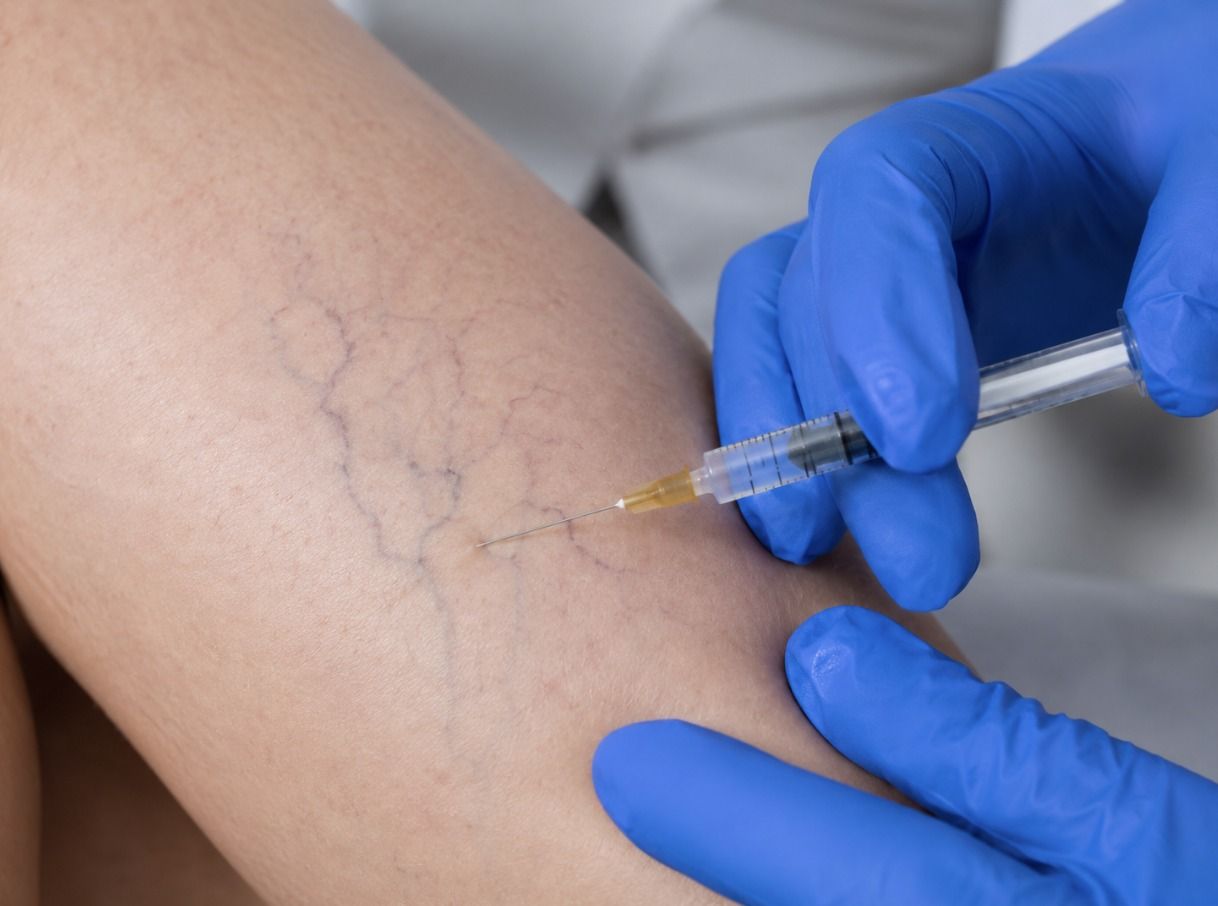
During this minimally invasive procedure, a provider injects a chemical solution directly into the affected veins. The solution irritates the vessel lining, causing the damaged veins to close. Blood is naturally redirected through healthy veins, while the treated veins gradually collapse and fade over time.
Clinical reviews continue to identify sclerotherapy as a leading treatment for spider veins because of its effectiveness and long history of use.
Laser Treatment and Laser Therapy
Laser treatment uses focused light energy to target unwanted blood vessels.
Laser therapy may be helpful for:
- Smaller spider veins
- Certain facial veins
- Veins that are difficult to inject
The body gradually absorbs the treated vessels after the procedure.
When More Comprehensive Treatment May Be Needed
Some individuals have both spider veins and deeper venous concerns. In these cases, additional testing may help identify whether other vascular issues should be addressed first.
Knowing what happens during treatment often makes the process feel much more approachable.
What to Expect During Spider Vein Sclerotherapy
One reason sclerotherapy remains popular is that the procedure is relatively straightforward and typically performed in an outpatient setting.
How Sclerotherapy Works
Treatment begins with an examination of the affected veins.
The treatment area is cleaned, and a very fine needle is used to inject a chemical solution into the targeted vessels. The solution causes the vein walls to stick together, reducing blood flow through the treated vessel.
Over time, the body absorbs the closed vein, making it less visible.
What the Injection Feels Like
Most patients tolerate treatment well.
Some people experience:
- Mild pinching
- Temporary burning
- Minor cramping
- Brief pressure sensations
Comfort levels vary from person to person.
How Long Does Treatment Take?
Many spider vein sclerotherapy sessions take between 15 and 45 minutes, depending on the number of veins being treated.
Most patients can return to normal activities shortly after their appointment.
The recovery period is generally simple, but following aftercare instructions remains important.
Recovery, Compression, and Results Timeline

Recovery expectations are often one of the first questions patients ask during a consultation.
While every patient heals differently, there are some common patterns.
Returning to Normal Activities
Most individuals return to work and everyday activities the same day.
Walking is often encouraged because it promotes healthy circulation. Your provider may recommend avoiding strenuous exercise or certain activities for a short period after treatment.
Wearing Compression Stockings
Compression stockings are commonly recommended after sclerotherapy treatment.
These garments may help:
- Support circulation
- Reduce swelling
- Promote healing
- Improve treatment outcomes
The duration for which compression stockings should be worn varies based on the treatment area and individual circumstances.
When Will Spider Veins Fade?
Spider veins do not disappear immediately.
Many treated veins begin fading within several weeks, while larger areas may continue improving over several months
| Recovery Milestone | Typical Timeline |
|---|---|
| Return to work and daily activities | Same day |
| Mild bruising and redness improve | Several days to 2 weeks |
| Early fading of treated veins | 3 to 6 weeks |
| Continued improvement | Several months |
| Additional treatment evaluation | As recommended |
It is important to remember that new spider veins may develop over time, even after successful treatment.
Understanding potential side effects and treatment limitations helps create realistic expectations before moving forward.
Safety, Side Effects, and Treatment Limitations
Spider vein treatment has a strong safety record when performed by qualified medical professionals, but no medical procedure is entirely risk-free.
Common Temporary Side Effects
Temporary side effects may include:
- Bruising
- Redness
- Swelling
- Tenderness
- Temporary skin discoloration
- Small areas of trapped blood
These effects often improve as healing progresses.
Who May Not Be a Candidate?
Certain individuals may need to postpone treatment or explore other options.
This can include people who are:
- Pregnant
- Experiencing active infections
- Managing certain clotting disorders
- Living with specific vascular conditions
A thorough consultation helps determine candidacy.
Why Choose Michele Finley, MD, Cosmetic Medicine in Carmel, IN
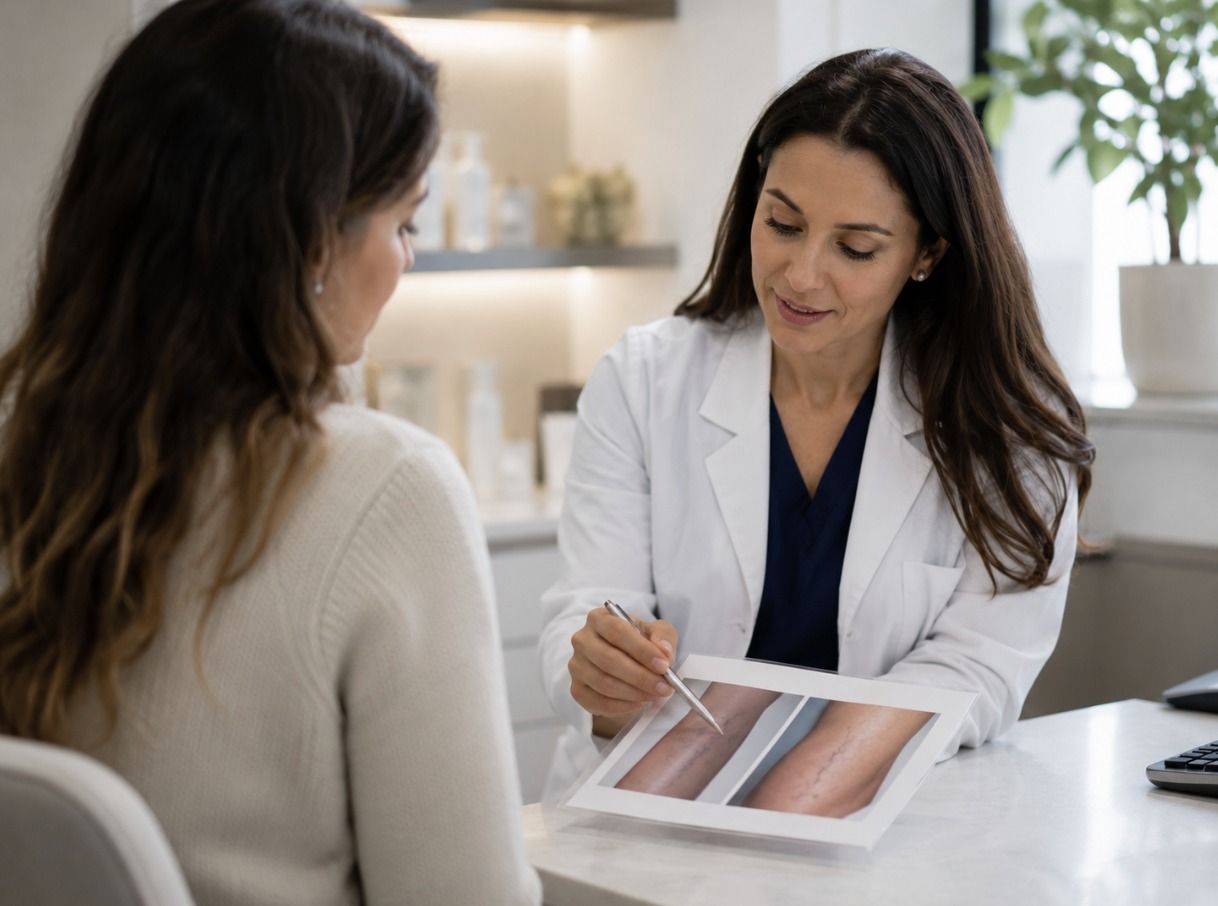
Patients considering cosmetic treatments often want more than a procedure. They want clear answers, honest recommendations, and confidence that their care is being guided by experience.
Physician-Led Cosmetic Medicine
Dr. Michele Finley has focused on aesthetic medicine since 2002 and founded Michele Finley MD Cosmetic Medicine in 2003.
Our practice combines medical expertise with personalized treatment planning, helping patients understand their options and make informed decisions without pressure.
Customized Care for Every Patient
Spider veins vary in size, location, and severity. Your goals are unique as well.
That is why we begin with a thoughtful consultation and create recommendations based on your anatomy, concerns, lifestyle, and desired outcomes.
At Michele Finley MD Cosmetic Medicine, our goal is to provide safe, effective care while helping you feel informed and comfortable throughout the process.
Ready to Explore Spider Vein Treatment in Carmel, IN?
Spider veins are a common concern, especially as we age. While they are usually harmless, many people choose treatment to improve the appearance of visible veins and feel more confident in their skin.
Modern spider vein treatment options, including sclerotherapy and laser therapy, can often reduce the appearance of unwanted veins with minimal downtime. The best skin treatment plan depends on factors such as the size and location of the veins, your medical history, and your personal goals.
If you would like to learn more about spider vein treatment in Carmel, IN, schedule a consultation with Dr. Michele Finley and the team at Michele Finley MD Cosmetic Medicine. We can help you understand your options and determine which approach may be right for you.
Frequently Asked Questions About Spider Vein Treatment in Carmel, IN
1. What is the best spider vein treatment for leg veins?
Sclerotherapy is often considered the preferred treatment for many spider veins on the legs because it directly targets the affected veins. However, laser treatment may be appropriate in certain situations, depending on vein size and location.
2. Does spider vein treatment hurt?
Most patients report minimal discomfort during treatment. You may feel a brief pinch, mild burning sensation, or temporary pressure during injections, but experiences vary from person to person.
3. How long does it take to see results from spider vein treatment?
Many patients begin seeing improvement within three to six weeks. Larger or more extensive areas may continue fading over several months, and some patients benefit from multiple treatment sessions.
4. Can spider vein treatment permanently remove spider veins?
Treated veins often improve significantly, but no treatment can prevent new spider veins from developing in the future. Genetics, aging, hormonal changes, and lifestyle factors may contribute to new vein formation over time.
5. Should I see a vascular specialist before spider vein treatment?
Many cosmetic spider veins can be evaluated and treated without specialty vascular care. However, if you have symptoms such as swelling, heaviness, pain, skin changes, or large varicose veins, additional vascular evaluation may be recommended before treatment.

Dr. Michele Finley
Meet Michele Finley, MD, a renowned expert in cosmetic treatments, dedicated to enhancing your beauty and confidence with personalized care and precision.