
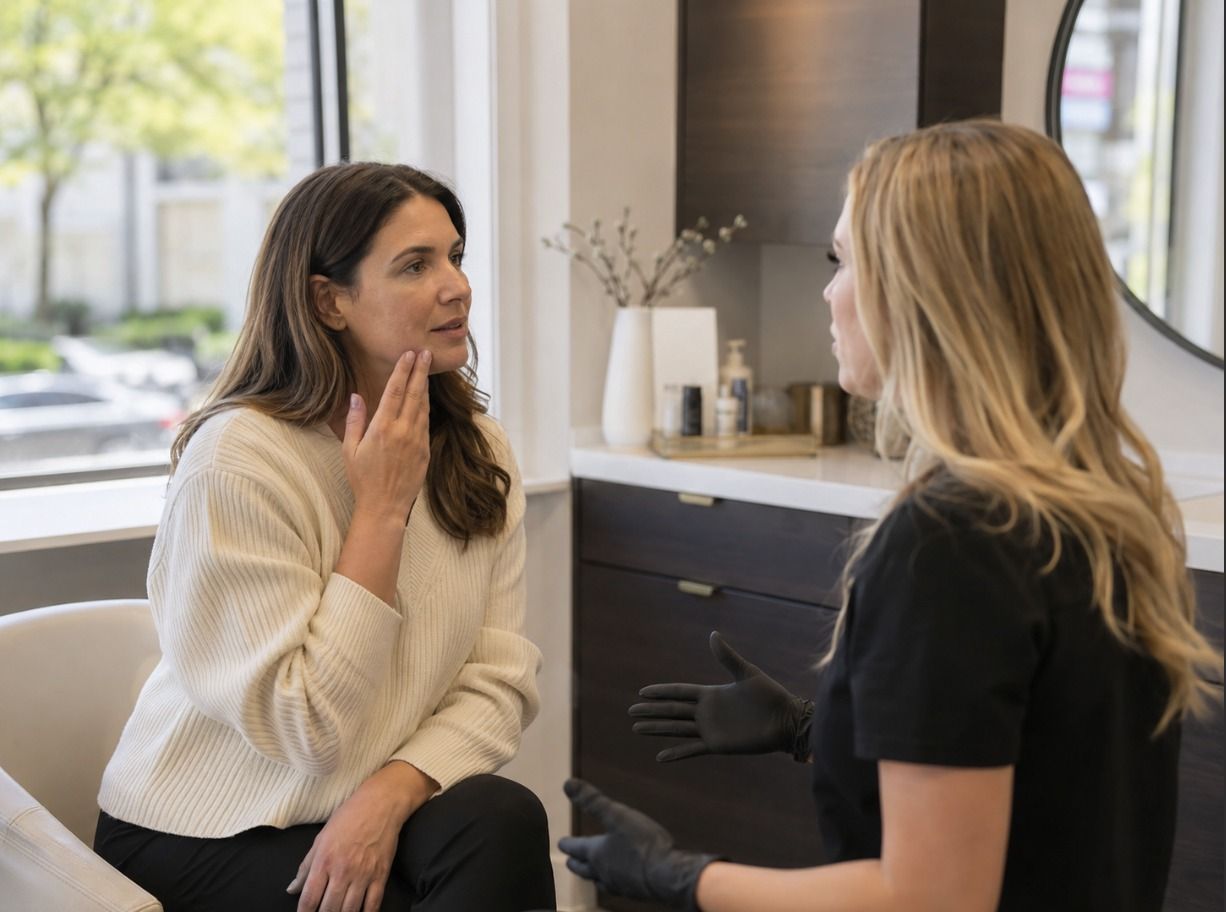
Dark spots, sun damage, and uneven skin tone can become more noticeable over time, even when you take good care of your skin. Many people looking for a skin treatment for whitening are not trying to change their natural skin color. Instead, they want to brighten dull skin, reduce discoloration, and restore a healthier, more even complexion.
The good news is that modern skin lightening and brightening treatments offer several options for addressing hyperpigmentation, melasma, age spots, and other unwanted pigmentation. The key is choosing treatments that match your skin type, concerns, and long-term goals.
At Michele A. Finley, MD, in Carmel, IN, personalized treatment planning is an important part of the process. With more than two decades of experience in cosmetic medicine, Dr. Finley and her team help patients understand their options and create treatment plans that support natural-looking improvements in skin quality and appearance.
What You'll Learn From This Article
- What causes dark spots, hyperpigmentation, and uneven skin tone
- The difference between skin whitening, skin lightening, and skin brightening
- How chemical peels, laser treatments, and medical-grade skincare may help improve skin clarity
- Why combination treatments often produce better results than a single treatment alone
- Important safety considerations before starting pigmentation treatments
- How to choose the right treatment plan for your skin in Carmel, IN
What Causes Uneven Skin Tone and Dark Spots?
Understanding why pigmentation develops can help you make more informed treatment decisions.
Understanding Melanin and Hyperpigmentation
Melanin is the pigment responsible for your natural skin color. It is produced by specialized cells called melanocytes that help protect the skin from ultraviolet radiation.
When melanocytes become overactive, excess pigment can accumulate in certain areas. This process often leads to hyperpigmentation, which appears as dark spots, patches of discoloration, or uneven skin tone.
Hyperpigmentation can affect all skin tones and may occur on the face, neck, chest, hands, and other sun-exposed areas.
Common Reasons Skin Becomes Darkened or Uneven
Several factors can contribute to pigmentation concerns, including:
- Sun exposure
- Hormonal changes associated with melasma
- Acne and acne scars
- Inflammation following skin injury
- Age spots
- Certain medications
- Genetic factors
Sun damage remains one of the most common causes of pigmentation changes. Years of ultraviolet exposure can stimulate melanin production, leading to darkened skin and visible discoloration.
Once the cause of pigmentation is identified, the next step is understanding which treatment approach may be most appropriate.
What Is a Skin Whitening Treatment and How Does It Work?
Many people use the terms interchangeably, but skin whitening, skin lightening, and skin brightening are not exactly the same.
The Difference Between Skin Whitening, Skin Lightening, and Skin Brightening
In cosmetic medicine, skin whitening treatment often refers to procedures that reduce excess pigmentation and improve skin clarity.
Skin lightening treatments focus on decreasing unwanted pigment in specific areas, such as dark spots or patches of discoloration.
Skin brightening treatments are designed to improve radiance, reduce dullness, and support a healthier-looking complexion.
Modern treatments focus on improving uneven skin tone and pigmentation concerns rather than dramatically altering natural skin color.
Goals of Professional Skin Lightening Treatments
Depending on the underlying concern, treatment may help:
- Reduce dark spots and hyperpigmentation
- Improve uneven skin tone
- Brighten dull skin
- Improve overall complexion
- Support clearer, healthier-looking skin
- Minimize the appearance of age spots and post-inflammatory pigmentation
Results often develop gradually and vary from person to person depending on skin type, skin tone, treatment selection, and ongoing skincare habits.
Several treatment categories can help address pigmentation concerns, each working in a different way.
Chemical Peels for Skin Brightening and Pigment Correction
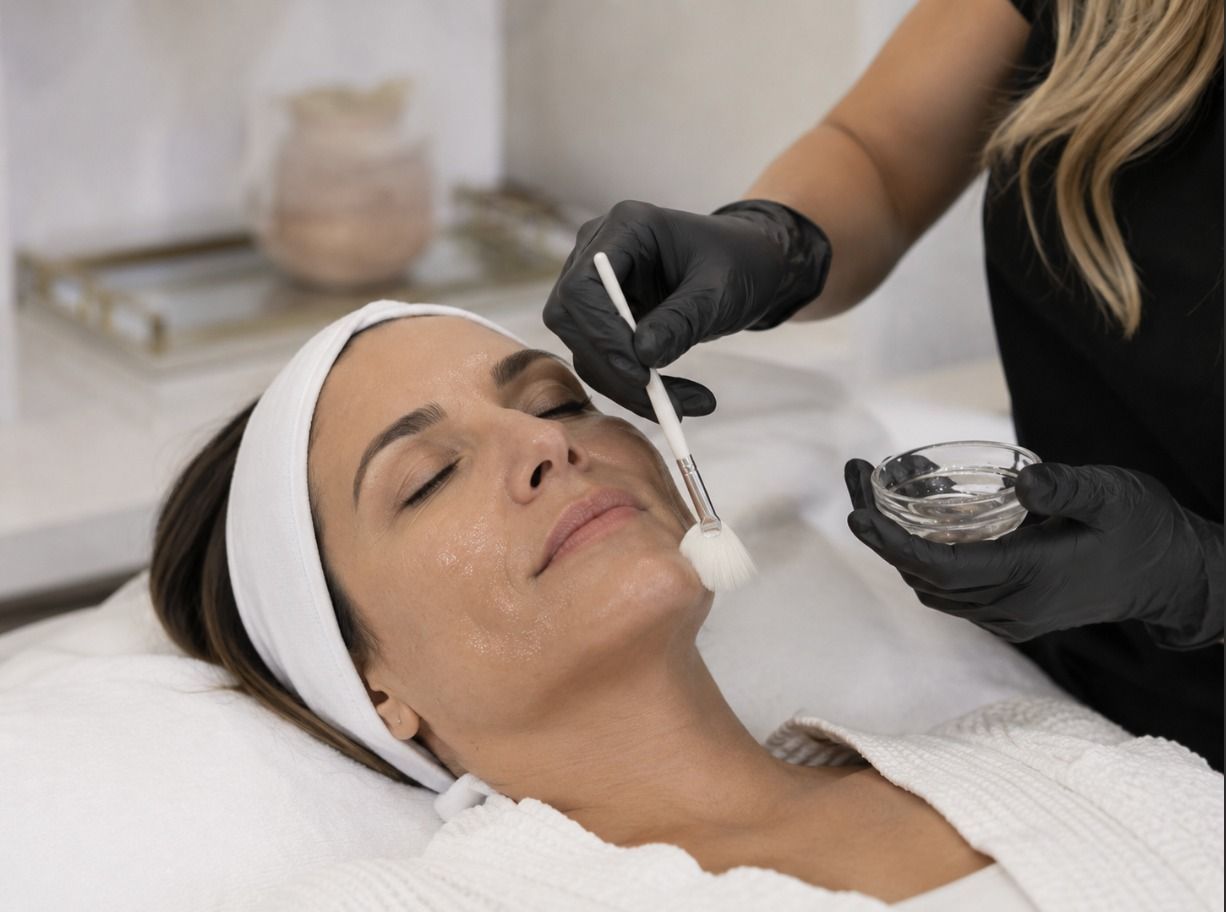
Chemical peels remain among the most commonly recommended skin-brightening treatments because they address both pigmentation and skin texture.
How Chemical Peels Help Lighten Dark Spots
Chemical peels work by removing damaged surface skin cells and encouraging healthy cell turnover. As pigmented cells are shed, the skin often appears brighter and more even.
Ingredients such as glycolic acid can help improve discoloration while also smoothing rough texture and supporting skin rejuvenation.
Professional peels are available in different strengths. The appropriate option depends on your skin type, pigmentation concerns, and treatment goals.
Which Pigmentation Concerns Respond Best to Peels?
Chemical peels may help improve:
- Mild hyperpigmentation
- Sun-damaged skin
- Post-acne discoloration
- Uneven complexion
- Certain age spots
- Dull skin
Research published in the National Center for Biotechnology Information suggests that chemical peels can play a useful role in managing pigmentation disorders when appropriately selected and performed under professional supervision.
While peels work primarily at the skin's surface, deeper pigmentation concerns may benefit from additional treatment options.
Laser Treatments for Skin Whitening and Skin Rejuvenation

Laser treatment offers a more targeted approach for certain types of pigmentation and discoloration.
How Laser Treatment Targets Excess Pigment
Laser skin treatments use focused light energy to target pigmented areas beneath the skin's surface. The energy breaks down excess pigment, allowing the body to gradually remove it.
Laser treatment may help improve:
- Dark spots
- Sun damage
- Certain pigmented lesions
- Uneven skin tone
- Some cases of melasma
- Signs of photoaging
Many laser treatments also support collagen production, which can improve overall skin quality and texture.
Who May Be a Good Candidate for Laser Skin Treatments?
Laser therapy may be appropriate for individuals who:
- Have noticeable pigmentation concerns
- Want a more targeted treatment approach
- Understand that multiple sessions may be recommended
- Are willing to follow post-treatment instructions
Not every laser treatment is suitable for every skin type. A consultation helps determine which options may be appropriate based on your skin concerns and medical history.
A 2026 review found that combining laser and light-based therapies with topical treatments may improve outcomes for the management of hyperpigmentation and melasma compared with some standalone approaches.
For many patients, professional treatments work best when supported by a consistent skincare routine at home.
Medical-Grade Skin Care Products That Support Skin Lightening
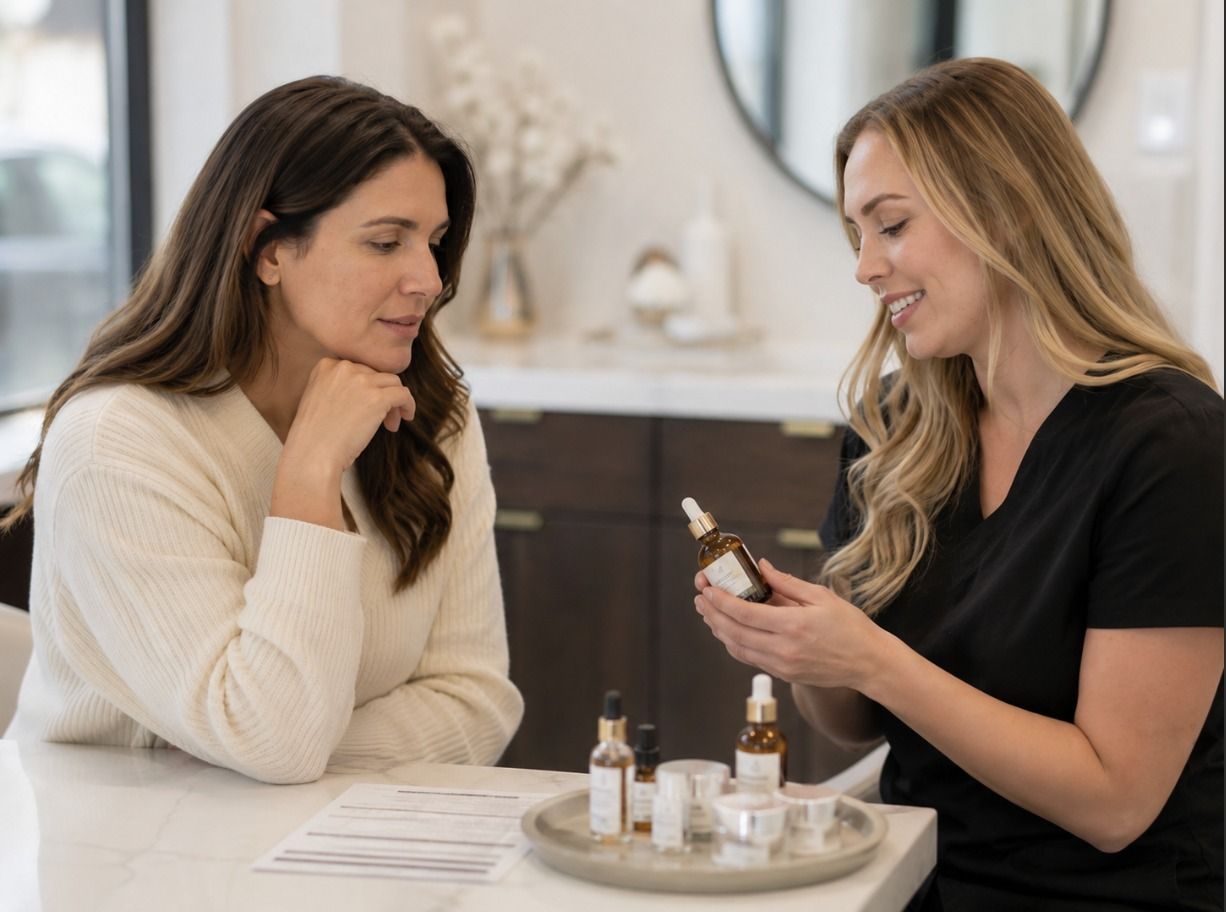
Daily skincare plays an important role in maintaining and enhancing treatment results.
Topical Ingredients Commonly Used for Pigmentation Concerns
Several ingredients are commonly used to lighten dark spots and support skin brightening:
| Ingredient | Potential Benefits |
|---|---|
| Hydroquinone | Helps reduce excess pigmentation |
| Vitamin C | Supports brighter-looking skin and antioxidant protection |
| Kojic Acid | May help reduce melanin production |
| Glycolic Acid | Encourages exfoliation and cell turnover |
| Retinoids | Support skin renewal and pigment correction |
These ingredients work differently, which is why treatment recommendations often vary based on the patient's skin concerns.
Why Professional Guidance Matters
Not every product is suitable for every skin type.
Some active ingredients may cause irritation if used incorrectly or combined with other products. Others require careful monitoring to ensure safe and effective use.
Once a solid skincare foundation is established, combining treatments may provide additional benefits.
Combining Treatments for Better Skin Brightening Results
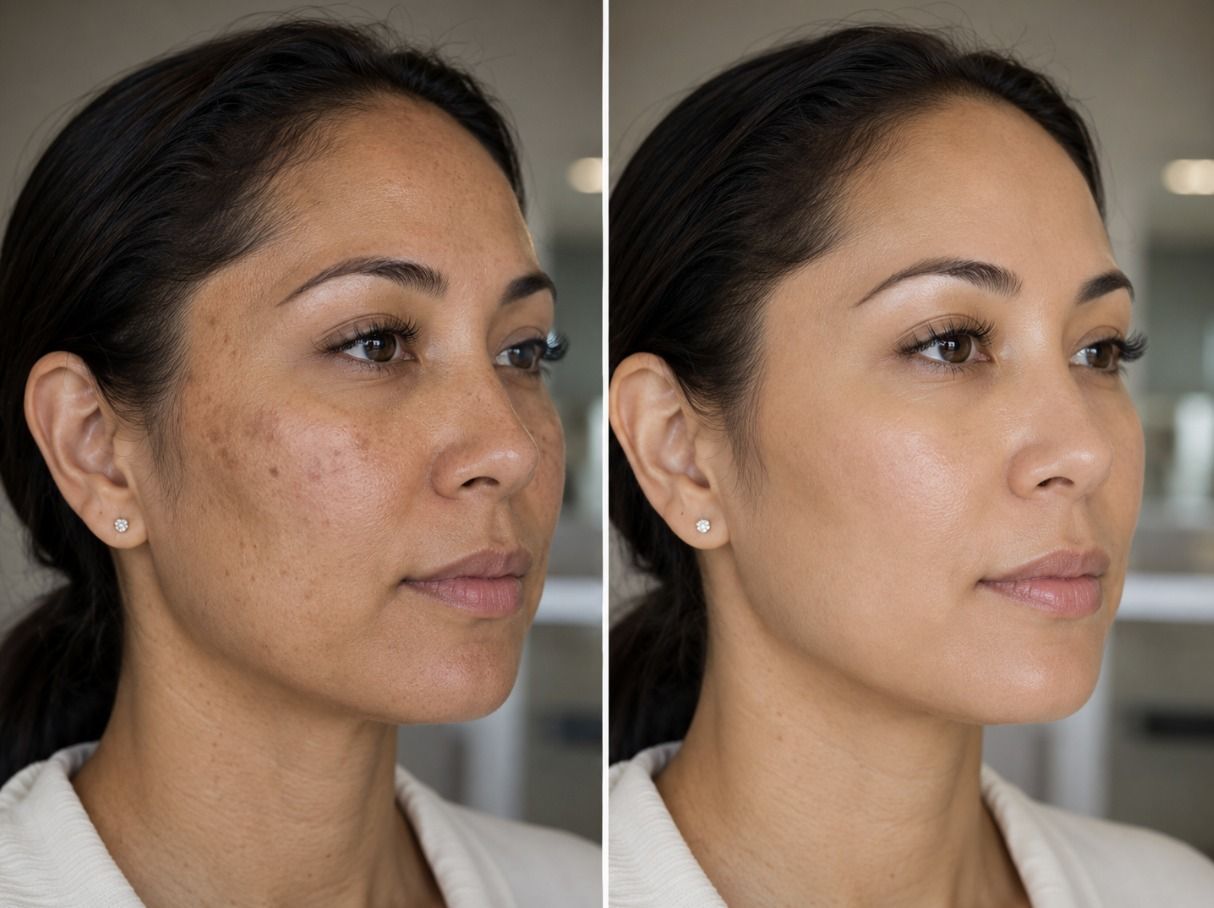
Pigmentation concerns often develop from multiple factors, which is why a single treatment may not address every aspect of the problem.
Why Combination Therapy Is Often Recommended
A personalized plan may include:
- Chemical peels
- Laser treatment
- Medical-grade skincare
- Sun protection strategies
- Maintenance treatments
Combination approaches allow providers to address pigmentation from different angles while supporting overall skin health.
Creating a Personalized Treatment Plan
Treatment recommendations often depend on:
- Skin type
- Severity of pigmentation
- Presence of melasma
- Sun exposure habits
- Lifestyle factors
- Desired downtime
At Michele A. Finley, MD, treatment plans are designed around each patient's goals rather than a predetermined formula. This individualized approach helps patients understand their options and make confident decisions about their care.
No matter which treatment is selected, protecting your skin remains an important part of maintaining results.
Important Safety Considerations Before Starting Treatment
Skin brightening treatments can be highly effective when selected appropriately, but every treatment comes with considerations that should be discussed during a consultation.
Not Every Whitening Treatment Is Appropriate
Online products marketed as skin bleaching treatments may contain ingredients that irritate the skin or cause unwanted side effects.
Professional evaluation helps determine which treatment options align with your concerns while reducing unnecessary risk.
Healthy skin brightening focuses on reducing unwanted pigment and improving skin quality, not changing your natural skin color.
Protecting Your Results With Daily Sun Protection
Sun protection remains one of the most important steps in any pigmentation treatment plan.
Daily use of a broad-spectrum sunscreen may help:
- Prevent new dark spots
- Reduce recurring pigmentation
- Support treatment results
- Protect against additional sun damage
Without consistent sun protection, pigmentation concerns may return even after successful treatment.
The final step is determining which option best fits your individual goals and skin needs.
How to Choose the Best Skin Treatment for Whitening in Carmel, IN
Choosing the best treatment starts with understanding what is causing the pigmentation in the first place.
Factors That Influence Treatment Selection
Several factors help guide treatment recommendations:
- Skin type
- Pigmentation depth
- Treatment goals
- Medical history
- Downtime preferences
- Budget considerations
The best treatment for one patient may not be the best treatment for another.
The Benefits of a Doctor-Led Consultation
A physician-led consultation provides an opportunity to:
- Evaluate skin concerns accurately
- Discuss treatment options
- Understand potential benefits and limitations
- Develop a personalized treatment plan
- Establish realistic expectations
Patients throughout Carmel and surrounding communities often appreciate having clear guidance from an experienced medical provider when deciding which skin treatments may be right for them.
Ready to Improve Dark Spots and Uneven Skin Tone?
Dark spots, uneven skin tone, melasma, and sun damage can affect how your skin looks and how you feel about your appearance. Fortunately, several effective options are available to improve skin brightness and clarity.
Chemical peels, laser treatments, medical-grade skincare products, and combination treatment plans can all help address pigmentation concerns. The right approach depends on your skin type, goals, and the underlying cause of discoloration.
At Michele A. Finley, MD, patients receive personalized recommendations based on a careful evaluation of their skin and aesthetic goals. With more than twenty years of experience in cosmetic medicine, Dr. Finley and her team are committed to helping patients make informed decisions about their care.
Schedule a Consultation With Dr. Michele Finley
If you're considering a skin treatment to whiten your skin and want professional guidance on the best options for your skin, schedule a consultation with Dr. Michele Finley and her team in Carmel, IN. Together, you can discuss your concerns, explore treatment options, and create a personalized plan designed to support a brighter, more even-looking complexion.
Frequently Asked Questions About Skin Treatments for Whitening
1. What is the best skin treatment for whitening in Carmel, IN?
The best skin treatment for whitening depends on the cause of pigmentation. Chemical peels, laser treatments, and medical-grade skincare are among the most common options. A consultation can help determine which treatment may be most appropriate for your skin.
2. Can laser treatments help reduce dark spots and hyperpigmentation?
Many laser treatments are designed to target excess pigment and may help improve dark spots, sun damage, and uneven skin tone. The number of treatments needed varies by individual.
3. How many sessions of a skin whitening treatment are typically needed?
Treatment timelines vary based on the severity of pigmentation and the treatment selected. Some patients notice improvement after a few sessions, while others benefit from a series of treatments over time.
4. Are chemical peels effective for melasma and sun damage?
Chemical peels may help improve certain forms of melasma, sun damage, and post-inflammatory hyperpigmentation. Treatment plans often include additional skincare recommendations and sun protection.
5. Which skin-lightening products are commonly recommended by cosmetic medicine providers?
Products containing hydroquinone, vitamin C, kojic acid, retinoids, and glycolic acid are commonly used to address pigmentation concerns. Recommendations should always be tailored to your skin type and goals.

Dr. Michele Finley
Meet Michele Finley, MD, a renowned expert in cosmetic treatments, dedicated to enhancing your beauty and confidence with personalized care and precision.