
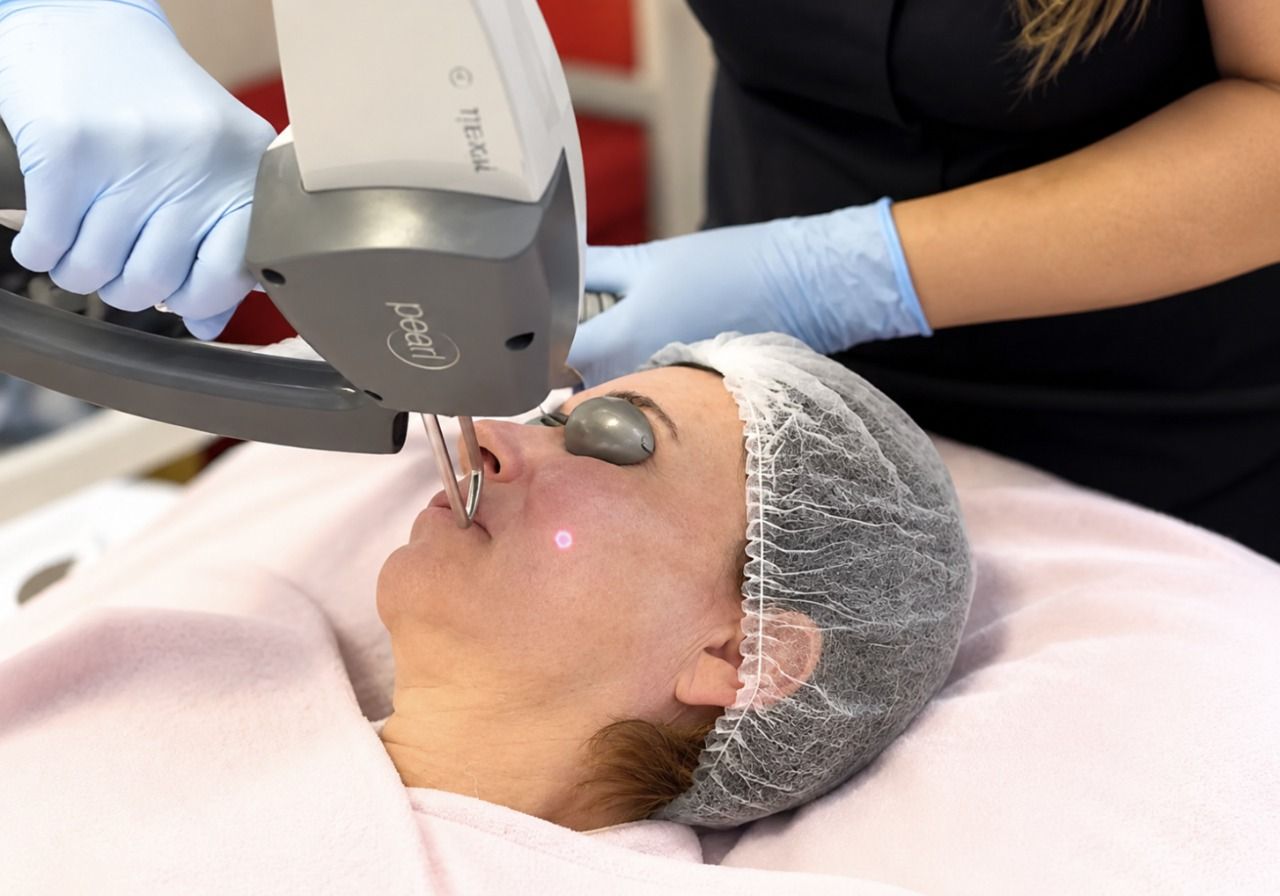
Planning laser treatment often comes with one practical question: how much downtime should you expect?
Recovery afterlaser skin resurfacing can look very different from one person to another. A lighter fractional laser treatment may cause temporary redness and dryness, while a deeper resurfacing procedure can involve several days of swelling, peeling, and more visible healing.
At Michele A. Finley MD Cosmetic Medicine in Carmel, IN, treatment planning considers your skin concerns, medical history, goals, and schedule. Understanding the recovery process before treatment can help you choose an approach that fits both your skin and your comfort with downtime.
What You'll Learn From This Article
- Why recovery time differs between laser treatments
- What your skin may look and feel like during the first week
- How fractional, nonablative, and ablative laser treatments differ
- How to care for treated skin while it heals
- Why sun protection matters after resurfacing
- Which changes should prompt a call to your provider
- When changes in skin texture and collagen may become more noticeable
How Laser Skin Resurfacing Works
Laser skin resurfacing uses controlled energy to create a planned response in specific skin layers. Depending on the laser type and treatment settings, this energy may affect the outer layer, deeper tissue, or microscopic treatment zones.
As the treated area heals, the skin begins a repair process that can include new tissue formation and collagen remodeling. This is why laser resurfacing may be considered for concerns such as fine lines, wrinkles, acne scars, uneven skin texture, and sun damage.
The amount of tissue treated helps determine how much recovery you'll likely need.
Ablative Laser Resurfacing
An ablative laser removes or vaporizes targeted portions of the skin. Carbon dioxide (CO2) and Er: YAG lasers are established examples of ablative resurfacing technologies.
Because an ablative treatment affects the outer layer of skin more directly, it can involve a more noticeable healing period. Depending on treatment depth, you may experience redness, swelling, crusting, peeling, or temporary oozing.
Clinical guidance from the
National Center for Biotechnology Information explains that ablative laser resurfacing can treat concerns such as facial wrinkles, acne scars, and photoaging, but it also requires careful patient selection and aftercare.
Nonablative and Fractional Laser Treatments
Nonablative treatments generally deliver energy without removing the entire outer skin surface. Recovery is often shorter, although redness and sensitivity still depend on the device and settings used.
A fractional laser treats microscopic columns of skin while leaving surrounding skin intact between those treatment zones. That surrounding skin can assist the healing process.
Research on fractional photothermolysis describes this approach as a way to create controlled microscopic injury while preserving untreated tissue around it.
Understanding these differences helps explain why no single recovery timeline fits every laser treatment.
What Determines Your Laser Resurfacing Recovery Time?
The treatment name alone doesn't tell you exactly how your skin will recover. Treatment intensity and individual skin characteristics matter just as much.
Several factors can affect downtime:
- The type of laser used
- Treatment depth
- Energy settings
- Whether treatment is fractional or full surface
- The size and location of the treated area
- Your skin tone and pigmentation characteristics
- Previous procedures
- Current medications
- Existing skin conditions
- History of abnormal scarring
- Recent sun exposure
- Your individual healing response
We should also discuss your schedule before treatment.
A patient preparing for a wedding, vacation, professional event, or family gathering may prefer a treatment with less visible downtime. Someone with more flexibility may be comfortable considering a stronger resurfacing approach if it is medically appropriate.
At Michele A. Finley MD Cosmetic Medicine, that decision is not based only on how aggressive a laser can be. It should also reflect your goals, skin needs, and how much recovery fits comfortably into your life.
Once you select a treatment plan, the next question is what the healing process may look like day by day.
Laser Skin Resurfacing Recovery Timeline
Recovery doesn't follow the same schedule for every patient. Still, common stages can help you understand what may happen after treatment.
Immediately After Treatment
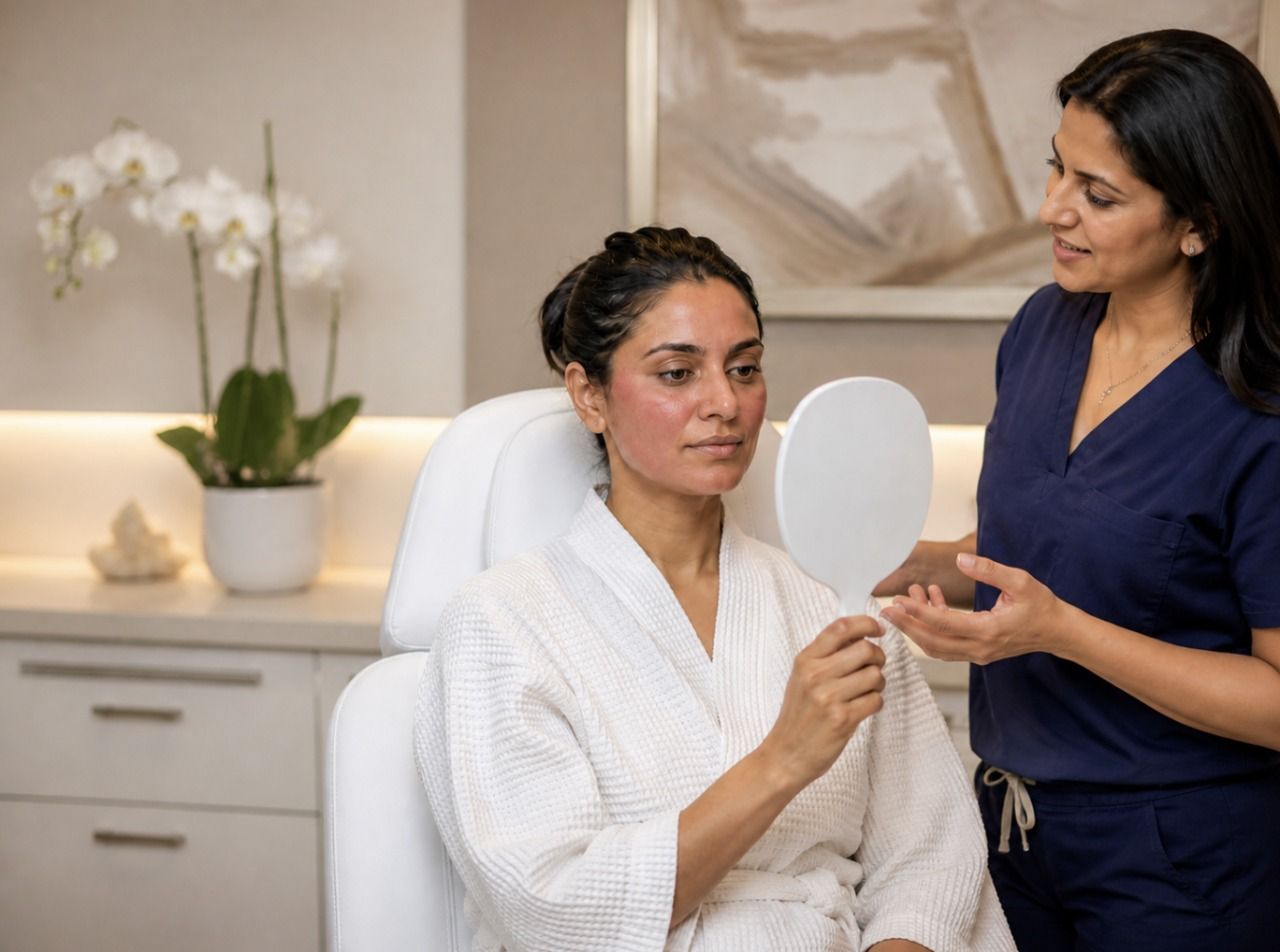
The treated area may feel warm, sensitive, or tight shortly after the procedure.
Redness and swelling can also occur. With lighter treatments, the skin may look mildly flushed. Deeper laser resurfacing can create more noticeable redness and swelling.
Some patients describe the sensation as similar to a sunburn, although the intensity varies with the type of laser and treatment depth.
The First 24 to 72 Hours
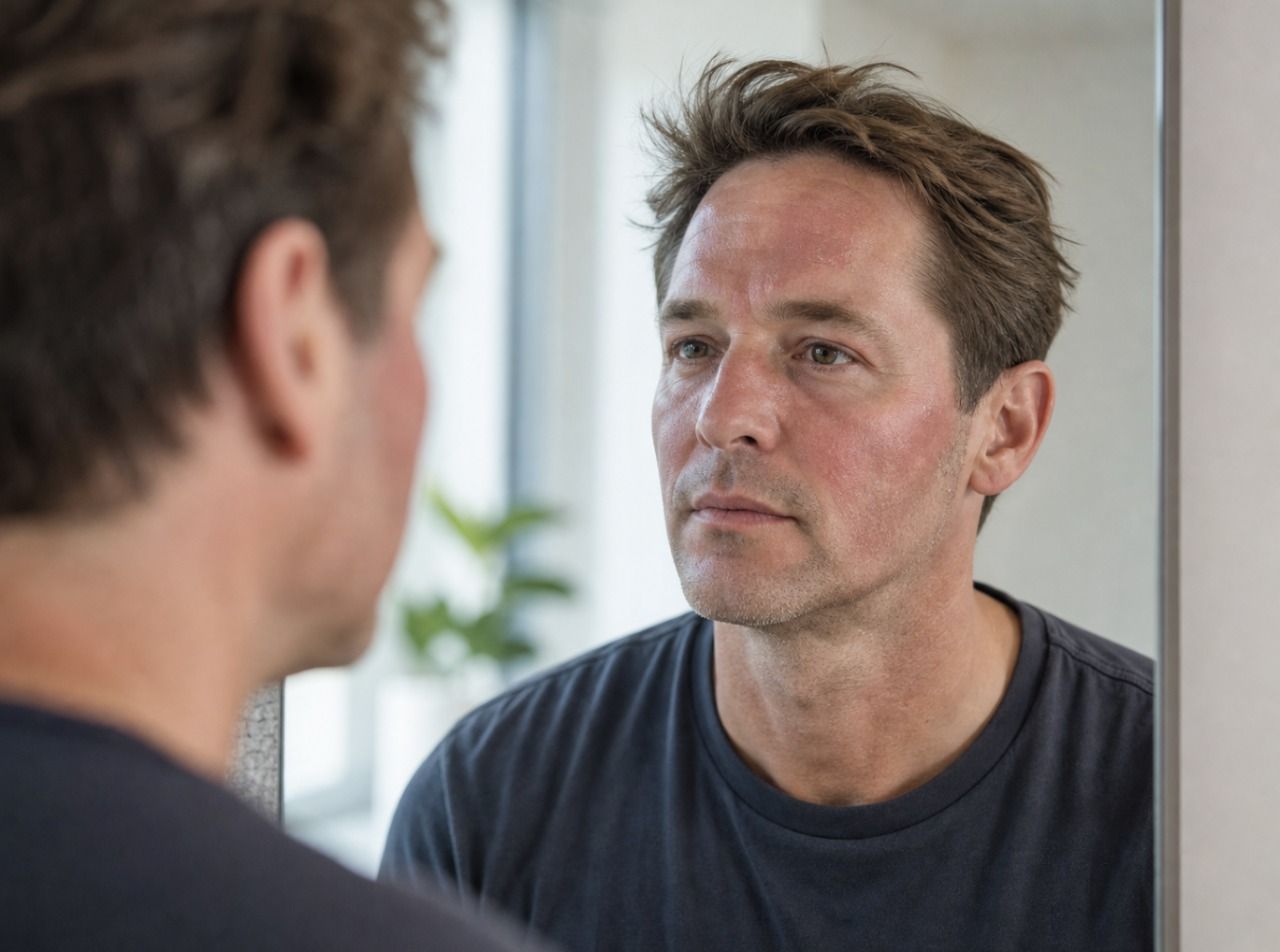
During the first few days, your skin may remain red or swollen.
You may also notice:
- Tightness
- Dryness
- Flaking
- Sensitivity
- Mild crusting with certain treatments
- Temporary puffiness
More aggressive ablative laser treatments may also produce oozing or crust formation as the skin begins to repair itself. These effects require specific wound care instructions from your medical provider.
This is a time to follow the skin care plan you were given rather than returning immediately to your usual products.
Days 3 to 7
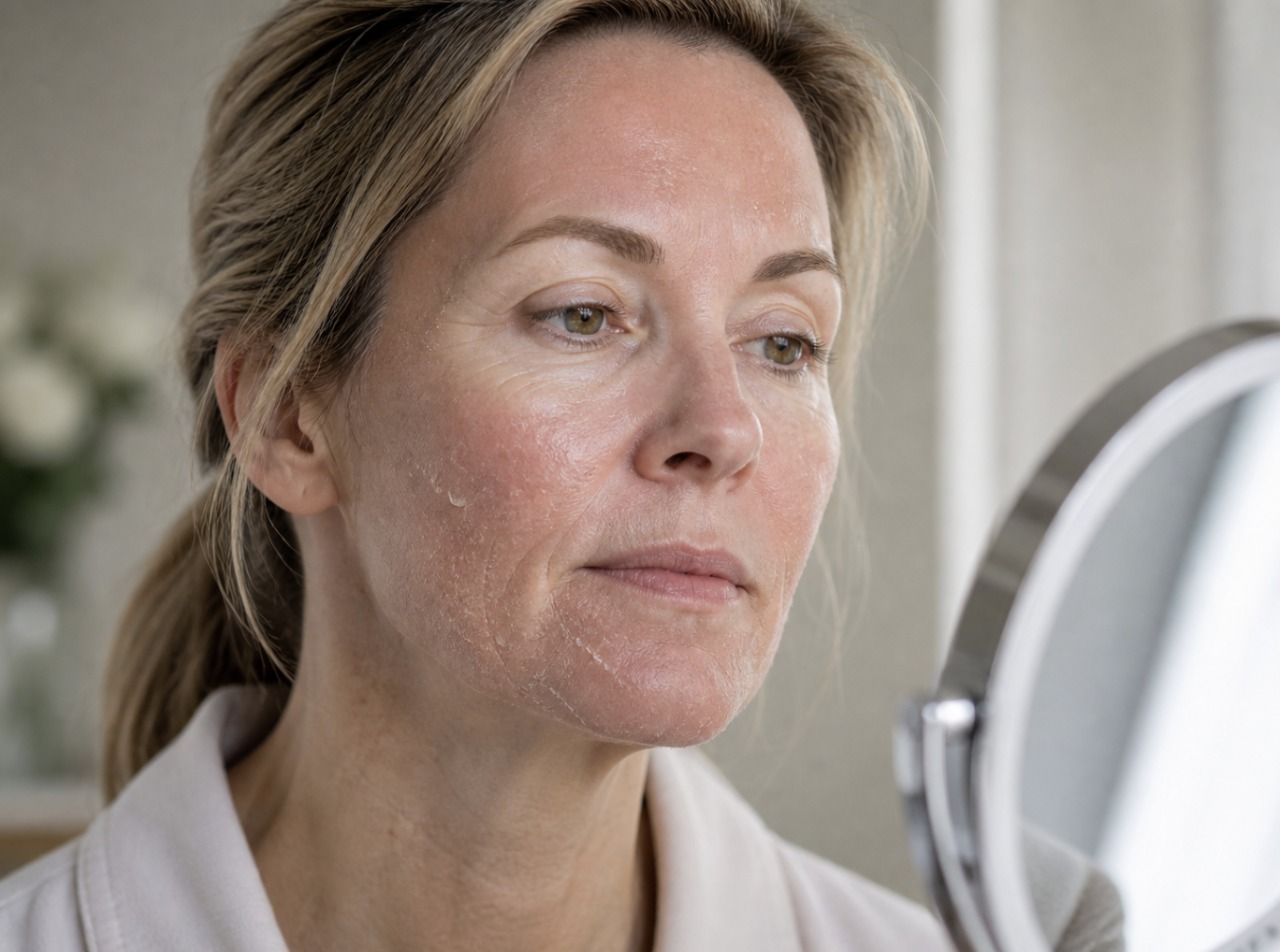
Peeling or flaking may become more noticeable as the treated skin heals. It can be tempting to remove loose skin, but picking, rubbing, or scrubbing the area can cause irritation. Allow the skin to shed naturally.
New skin may become more visible during this stage. Redness can still remain, even after the most noticeable peeling starts to settle. The timing for makeup, exercise, active skin care ingredients, and other cosmetic treatments depends on the procedure. Follow the instructions given for your specific treatment rather than relying on a general online timeline.
One Week and Beyond
After the first week, some people who received lighter or fractional resurfacing may look largely healed. Others may still have pinkness, dryness, or sensitivity.
Deeper laser resurfacing can take longer.
Visible surface healing doesn't mean the skin has finished responding to treatment. Collagen remodeling can continue after redness and peeling have improved.
| Recovery stage | What you may notice | Main priority |
|---|---|---|
| Immediately after treatment | Warmth, redness, swelling, sensitivity | Follow post-treatment care instructions |
| First 1 to 3 days | Tightness, redness, puffiness, dryness, possible crusting | Protect the treated area and avoid irritation |
| Days 3 to 7 | Peeling, flaking, improving swelling | Do not pick or scrub the skin |
| One week and beyond | Less visible peeling, possible lingering pinkness | Continue gentle care and sun protection |
| Following weeks | Gradual changes in texture and tone | Maintain skin care and follow up as advised |
Your provider's instructions should always take priority over a general recovery chart because your treatment settings and skin response are specific to you.
How to Care for Your Skin After Laser Resurfacing
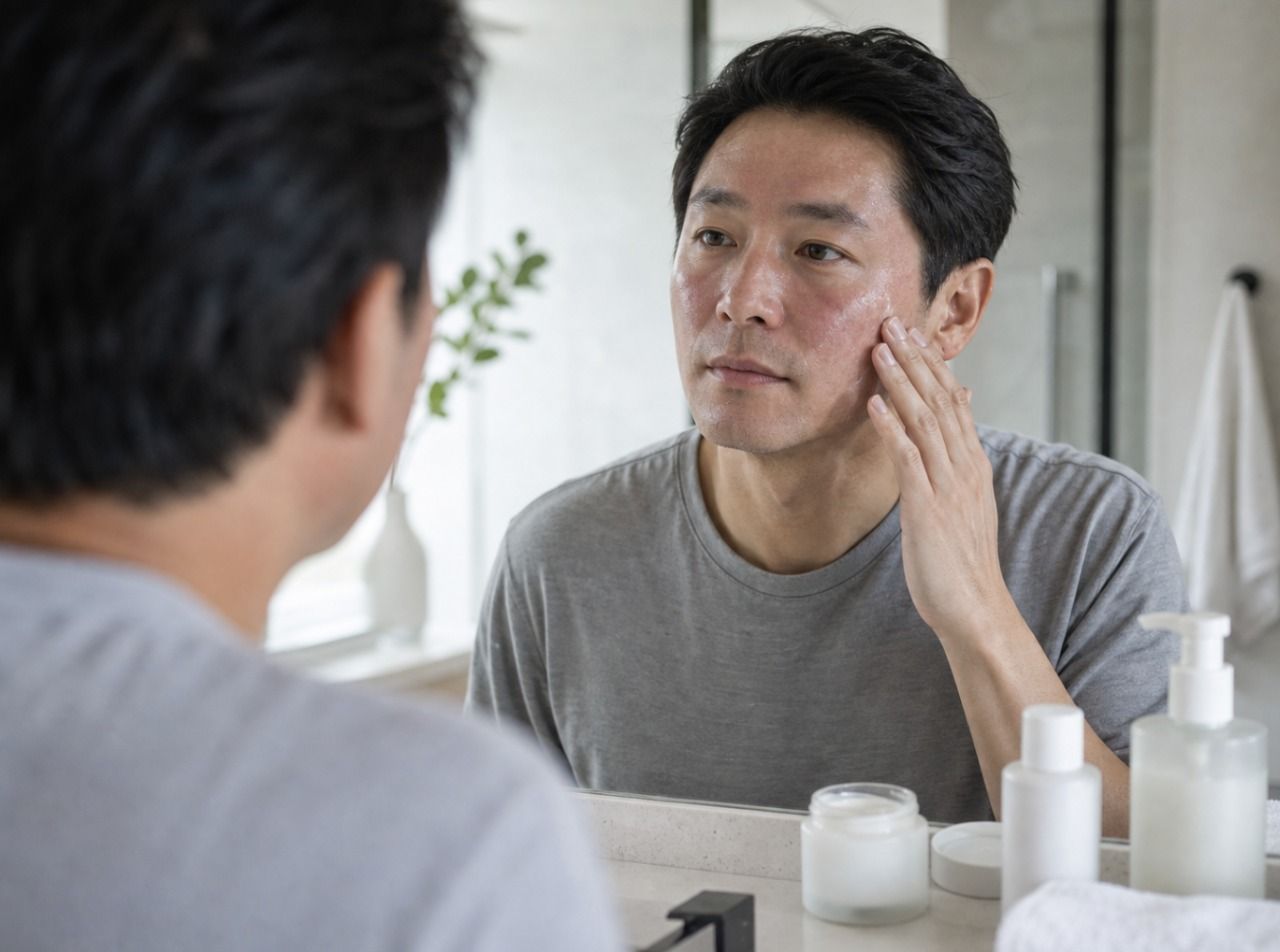
Post-treatment care has an important role in protecting the skin while its barrier recovers. Your instructions may vary depending on whether you received a gentle fractional treatment or deeper laser resurfacing.
Keep Your Skin Care Simple
Your medical team may recommend gentle cleansing, moisturizer, ointment, cool compresses, or other products based on the procedure. The main goal during early healing is to avoid unnecessary irritation and support the recovering skin barrier.
A review of skin care after laser resurfacing discusses moisture control, wound protection, and skin barrier support as important parts of recovery. The review also notes that evidence is not strong enough to support one single topical regimen for every patient.
That is why it is better to follow treatment-specific instructions than to copy another person's recovery routine.
Pause Irritating Products When Directed
Your provider may temporarily ask you to avoid products or activities such as:
- Retinoids
- Exfoliating acids
- Facial scrubs
- Strong active ingredients
- Picking peeling skin
- Other cosmetic procedures
- Excessive heat
Do not assume that your normal routine is safe to restart as soon as peeling stops. The outer skin may look better before the barrier has fully settled.
Good aftercare also includes something patients sometimes underestimate: protecting freshly treated skin from the sun.
Sun Exposure After Laser Skin Resurfacing
Sun protection matters during the recovery period because treated skin can be more sensitive to ultraviolet exposure.
Depending on your procedure, your medical team may recommend limiting direct sun exposure, wearing protective clothing, using a wide-brimmed hat, and applying appropriate sunscreen once your skin is ready.
This is particularly relevant if sun damage or uneven pigmentation was one of the reasons you considered laser treatment in the first place. Treatment timing can make a practical difference. If you have an outdoor vacation, golf event, long weekend at the lake, or another period of significant sun exposure planned, mention it during your consultation.
Scheduling treatment when you can protect your skin more consistently may make recovery easier to manage. Sun protection should continue after the initial healing period, which leads to another important part of recovery: knowing what changes are expected and what deserves medical attention.
What Is Normal After Laser Treatment?
Temporary redness, warmth, swelling, dryness, peeling, and sensitivity can occur after laser resurfacing. The amount you experience depends on the treatment.
A lighter laser may leave the skin mildly pink for a short period. A deeper ablative laser can cause much more visible redness and healing. Your provider should explain what is expected for the treatment you receive.
When Should You Call Your Provider?
Contact your treatment team if your symptoms seem unusual, worsen significantly, or don't match the instructions you received.
Potential complications from laser resurfacing can include:
- Infection
- Persistent redness
- Changes in skin pigmentation
- Scarring
- Acne-like breakouts
- Prolonged irritation
These problems don't occur in every patient, but they are part of why a medical consultation and careful follow-up matter.
Certain factors may also affect candidacy, including some skin conditions, active infections, a history of abnormal scarring, recent procedures, and specific medications.
A thoughtful treatment plan starts before the laser is ever applied. It also sets realistic expectations for when improvements may become visible.
When Will You See Results After Laser Skin Resurfacing?
The day your skin stops peeling is not necessarily the day your results are complete.
Surface healing usually happens before deeper collagen remodeling finishes. Some changes in skin texture or tone may become noticeable as redness and peeling settle. Other improvements may develop more gradually over the following weeks or months as the skin continues its repair response.
Laser resurfacing may help soften the appearance of certain fine lines, wrinkles, acne scars, and sun damage, but the degree of improvement varies.
Several factors influence the outcome:
- The type and depth of the concern being treated
- The laser technology used
- Treatment settings
- Number of sessions
- Skin characteristics
- Healing response
- Sun exposure after treatment
Some fractional laser plans may involve a series of sessions. Other resurfacing treatments may be selected when a stronger response is appropriate, and the patient accepts more downtime.
The goal is not simply to choose the most aggressive option. It is to select a treatment that fits your skin, goals, medical history, and preferred recovery period.
That makes the consultation especially important when comparing laser options in Carmel.
Choosing Laser Skin Resurfacing in Carmel, IN
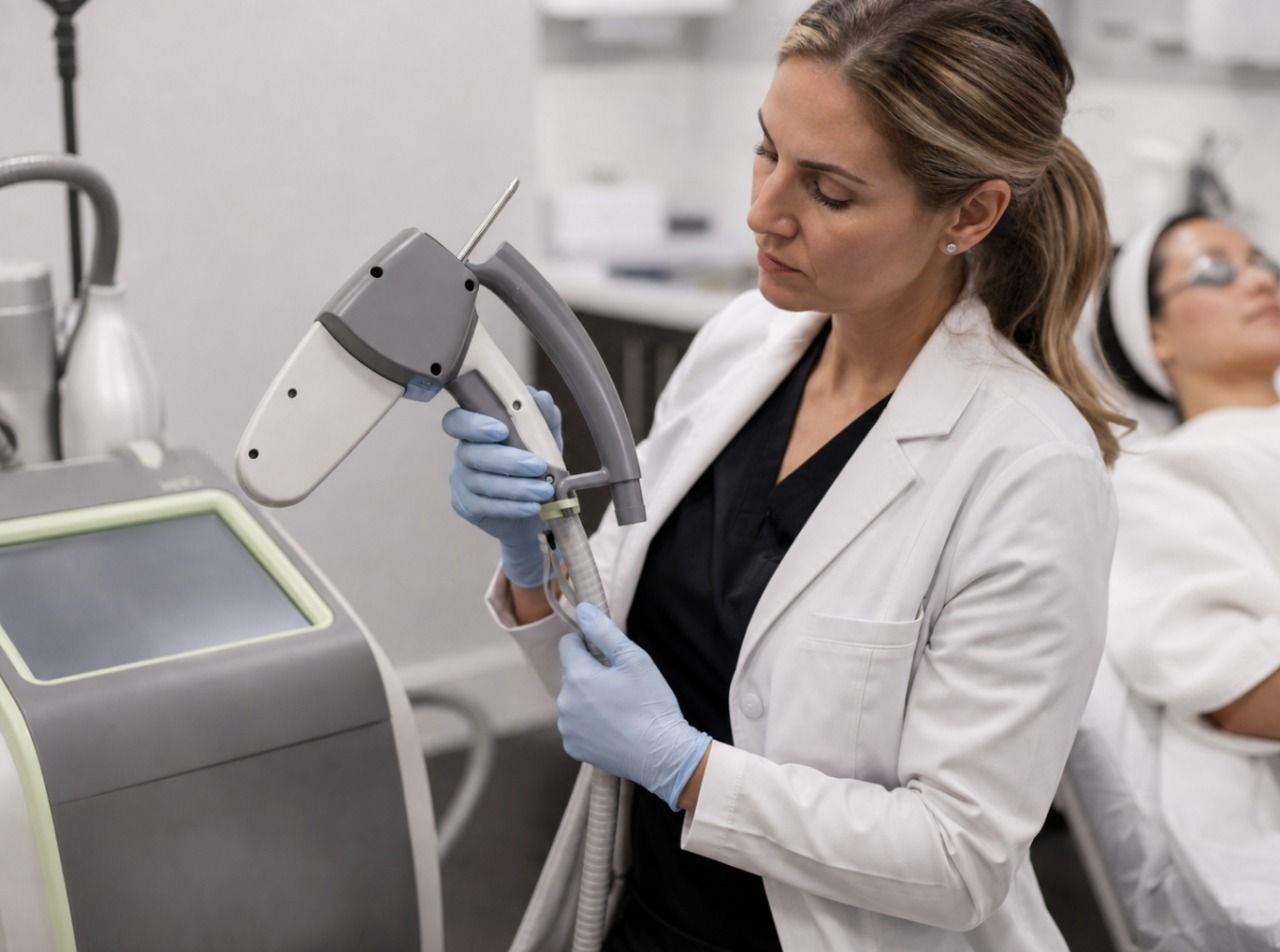
Patients often come to a consultation knowing what they want to improve but not knowing which treatment will get them there.
That is normal.
Michele A. Finley MD Cosmetic Medicine offers several skin- and laser-based treatments, including Fraxel, Pearl Fractional, Clear + Brilliant, and Laser Genesis. These treatments aren't interchangeable, and the right choice depends on your skin's needs.
A consultation may consider concerns such as:
- Fine lines
- Wrinkles
- Acne scars
- Uneven skin texture
- Sun damage
- Pigmentation concerns
- Previous treatments
- Skin tone
- Available downtime
- Upcoming events
Dr. Michele A. Finley has practiced in non-surgical aesthetic medicine since 2002 and founded her cosmetic medicine practice in 2003. Her background as a physician supports a treatment philosophy centered on experienced medical guidance, personal attention, and thoughtful planning.
For many patients in Carmel, that approach matters. Treatment should fit into a larger plan for healthy-looking, natural skin rather than feel like a one-size-fits-all procedure.
Before scheduling, it helps to have clear answers to the questions patients ask most often about recovery.
FAQs About Laser Skin Resurfacing Recovery
1. How long does it take to recover from laser skin resurfacing?
Recovery depends on the laser type, treatment depth, settings, and your individual skin response.
A lighter fractional treatment may involve less redness and dryness, while deeper ablative resurfacing can require more time for peeling, swelling, and visible healing.
Your provider can give you a more useful estimate after determining which treatment is appropriate for you.
2. What does your face look like three days after laser resurfacing?on
Three days after treatment, the skin may still look red, dry, mildly swollen, or sunburned. Peeling or flaking may also begin around this time.
Deeper resurfacing can produce more noticeable changes. Your appearance on day three will depend on the laser and treatment intensity.
3. When can I wear makeup after laser skin resurfacing?
Wait until your provider says the treated skin has healed enough for makeup.
Applying cosmetics too early may irritate the recovering skin barrier. The appropriate timing depends on your procedure and how your skin is healing.
4. How long should I avoid sun exposure after laser treatment?
Limit direct sun exposure while your skin is healing. Your provider can tell you when you can apply sunscreen and what additional protection is appropriate after your specific treatment.
Continued sun protection is also helpful after recovery, especially when treating sun damage or uneven pigmentation.
5. Can laser skin resurfacing help acne scars and wrinkles?
Laser skin resurfacing may improve the appearance of certain acne scars, fine lines, wrinkles, uneven texture, and signs of sun damage.
Results depend on the type and depth of the concern, your skin characteristics, the laser used, treatment settings, and your individual response. A consultation can help determine whether laser resurfacing is appropriate for the concern you want to address.
Plan Your Laser Skin Resurfacing Recovery With Confidence
The best recovery plan starts before treatment.
Knowing what type of laser is being used, how deeply the skin will be treated, what your first week may look like, and how long you may need to adjust your normal routine can help you prepare with realistic expectations.
At Michele A. Finley MD Cosmetic Medicine, care is built around medical experience, thoughtful treatment selection, and personal attention. If you are considering laser skin resurfacing in Carmel, IN, schedule a consultation with Dr. Michele Finley to discuss your skin concerns, preferred downtime, and treatment options that may fit your goals.

Dr. Michele Finley
Meet Michele Finley, MD, a renowned expert in cosmetic treatments, dedicated to enhancing your beauty and confidence with personalized care and precision.