Juvederm Fillers in Carmel, IN: 5 Secrets to Natural-Looking Results

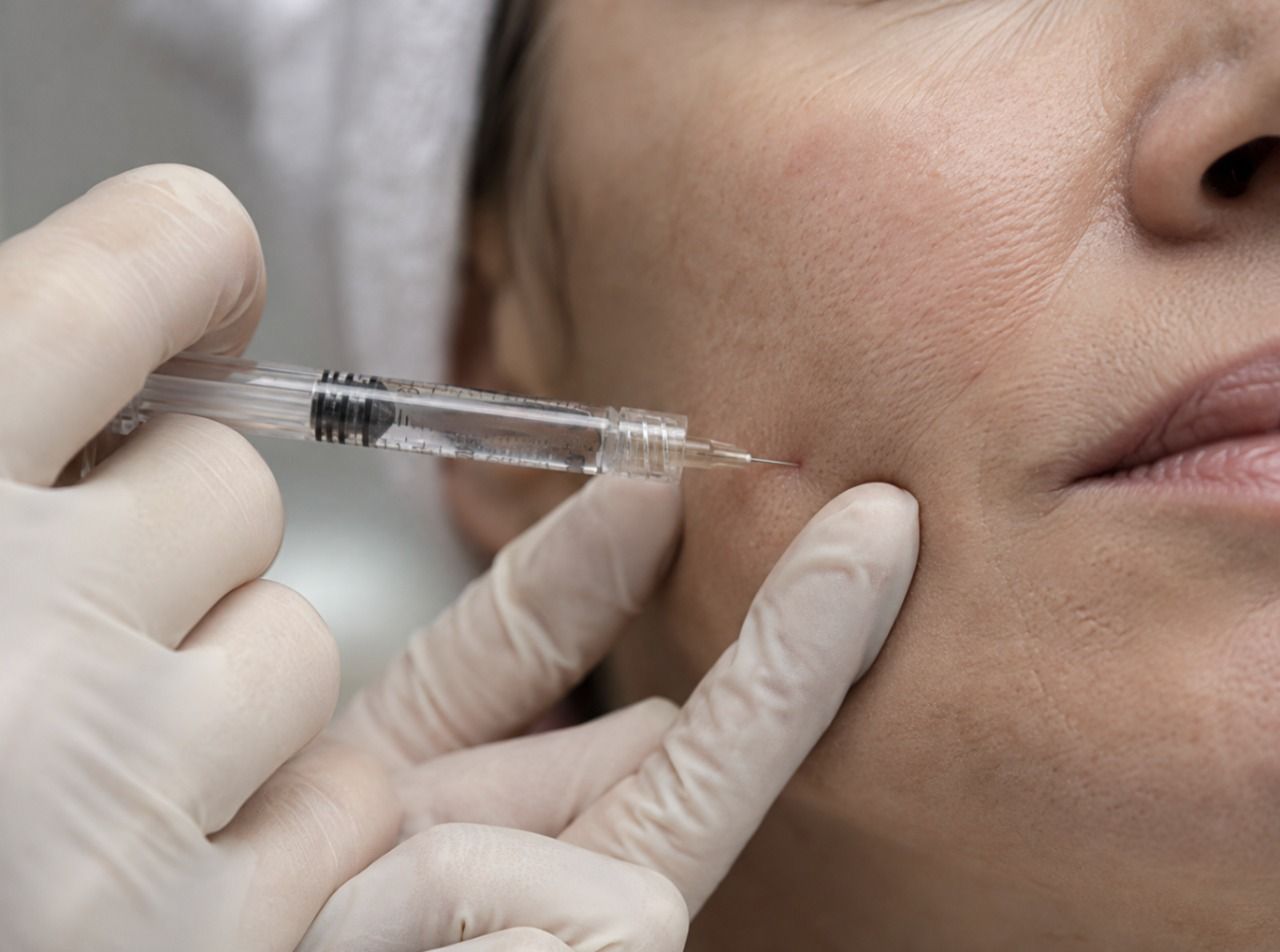
Looking refreshed is often the goal. Looking noticeably “filled” usually is not.
That concern is common among people considering Juvederm fillers, especially women who want to soften signs of aging while keeping the features that make them look like themselves. The difference between subtle and obvious filler often comes down to thoughtful planning, product selection, placement, and restraint.
At Michele A. Finley MD Cosmetic Medicine in Carmel, IN, we approach injectable treatment as a personalized medical aesthetic decision. Dr. Michele Finley has focused on nonsurgical aesthetic medicine since 2002, bringing decades of clinical experience to patients who want careful guidance rather than a one-size-fits-all treatment plan.
What You'll Learn From This Article
- Why JUVÉDERM® is a collection of fillers rather than one universal product
- How facial assessment helps support balanced, natural-looking results
- Why the amount and location of filler matter as much as the product itself
- What injection technique and facial anatomy have to do with safety and appearance
- What to expect from swelling, bruising, downtime, and follow-up care
What Are JUVÉDERM® Fillers?
JUVÉDERM® is a family of injectable dermal fillers made with hyaluronic acid. Hyaluronic acid occurs naturally in the body and helps bind water within tissues.
As the face ages, the skin, fat compartments, connective tissues, and underlying support change. Those changes may contribute to flatter cheeks, deeper folds, hollow areas, fine lines, or a less defined facial contour.
A hyaluronic acid dermal filler can add volume in selected areas, soften certain wrinkles and folds, or improve contour when treatment is medically appropriate.
Not all hyaluronic acid fillers have the same physical properties. Differences in formulation, crosslinking, concentration, and firmness affect how a filler behaves in tissue and where it may be best suited. A review of injectable filler materials published in Clinical Interventions in Aging explains these differences and why product characteristics matter when choosing a treatment approach.
That is why asking for “Juvederm” alone doesn't tell the whole story. The next question is how much volume you need and what kind of correction suits your facial structure.
Secret #1: Start With the Whole Face, Not One Wrinkle
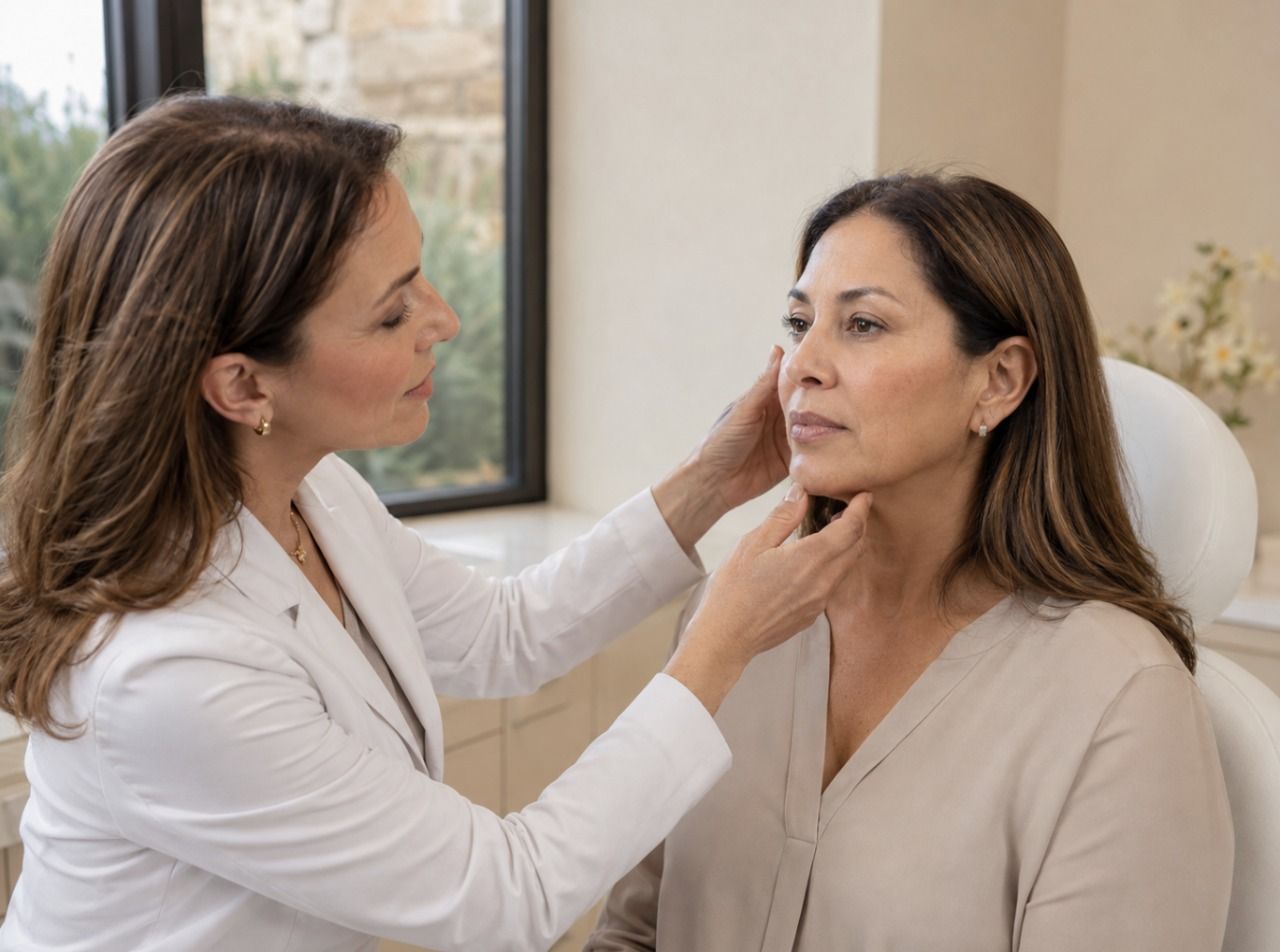
It is easy to focus on the first feature you notice in the mirror. Maybe the nasolabial folds look deeper. Perhaps the cheeks seem flatter, the lips have lost definition, or the lower face looks heavier than it did several years ago.
Those changes rarely happen in isolation.
Facial Balance Matters More Than Chasing Every Line
Natural-looking treatment starts with understanding how the different parts of the face relate to each other.
For example, a deeper fold beside the mouth may be influenced by changes in nearby facial volume. Treating the fold alone isn't always the best way to create balance. A provider may need to assess the cheeks, lips, chin, jawline, temples, marionette lines, or hollow areas before recommending where to inject.
Research on facial aging describes the process as a three-dimensional change involving multiple tissue layers, not simply more surface wrinkles.
A good consultation should also include a conversation about what you want to preserve. Maybe you like the natural shape of your lips but want a little more definition. Perhaps you want to look less tired without changing your facial character.
Secret #2: Match the Filler to the Treatment Area

JUVÉDERM® is not a one-size-fits-all filler for the face. The collection includes different formulations designed for different treatment goals.
A product chosen to support facial contour should not automatically be treated as interchangeable with one intended for softer movement around the lips or mouth.
Different Areas Need Different Product Characteristics
The cheeks, lips, jawline, nasolabial folds, and under-eye region have different tissue structures and aesthetic demands. The right filler depends on the area, placement depth, your facial anatomy, and the degree of correction you're considering.
A consultation may include discussion of products such as:
| JUVÉDERM® Product | Areas or Concerns Commonly Discussed |
|---|---|
| VOLUMA® XC | Facial volume and contour in structural areas |
| VOLBELLA® XC | Lip enhancement, fine lines around the mouth, and selected hollow concerns |
| Ultra XC | Lip volume and certain facial wrinkles or folds |
| Ultra Plus XC | Deeper facial wrinkles and folds |
| Other JUVÉDERM® XC options | May be considered according to the treatment area, product labeling, and individual needs |
The product name alone should never determine treatment. Your provider should consider the treatment area, tissue quality, movement, facial proportions, and your expectations before making a recommendation.
This matters even more when the goal is subtle correction, because even a well-known filler can look unnatural if placed in the wrong location or used in the wrong amount.
Secret #3: More Filler Does Not Automatically Mean a Better Result
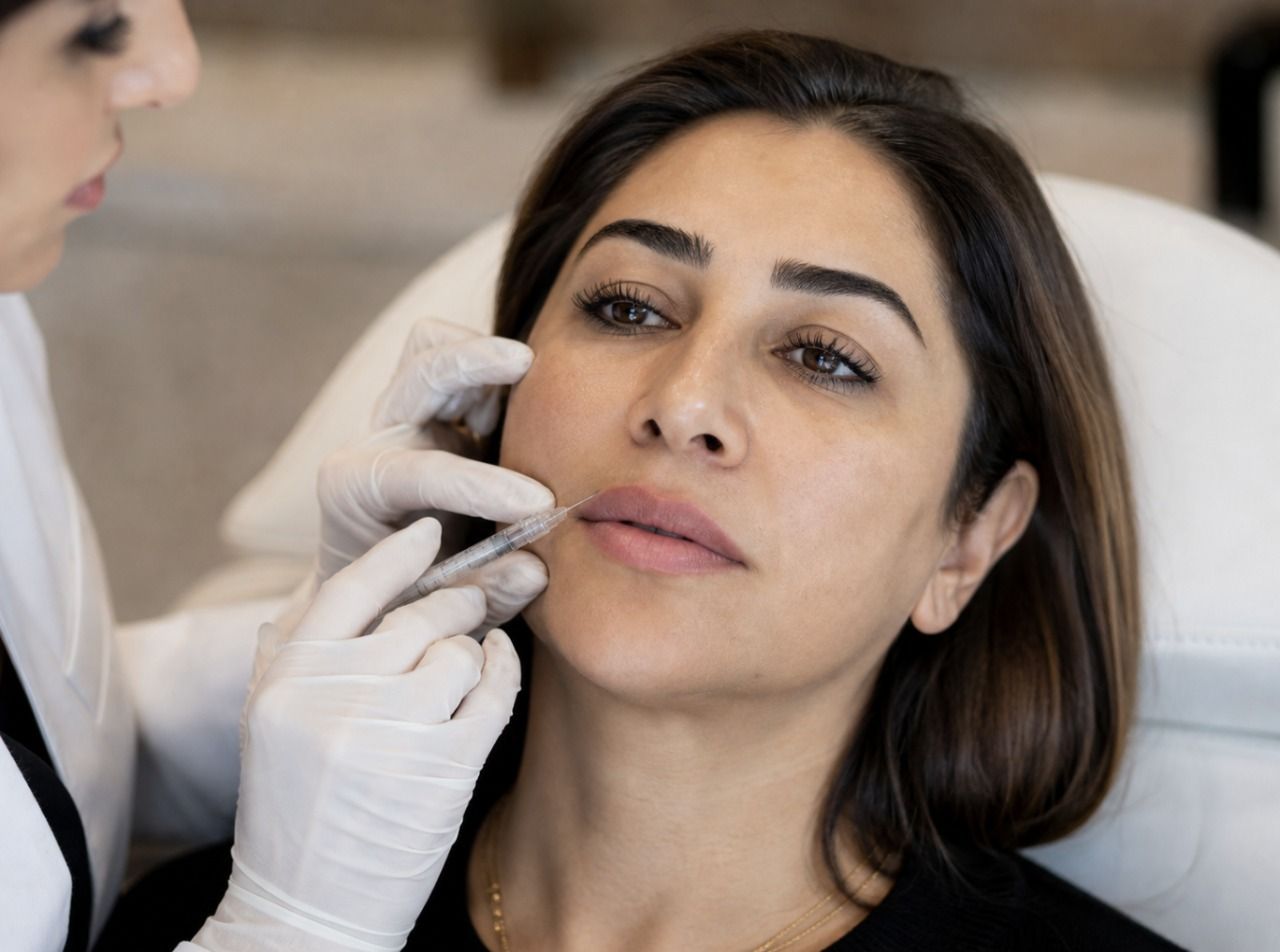
Natural-looking filler is not about adding as much volume as possible. It is about using an appropriate amount to support facial balance.
For some patients, a modest amount of dermal filler may soften a fold or restore part of the volume lost with age. Others may need a staged treatment plan that addresses more than one area over time.
No universal syringe count creates the right result. Your age, facial proportions, previous treatments, tissue structure, treatment area, and cosmetic goals all affect how much filler you may consider.
This is particularly important for areas such as:
- Lips, where too much volume can alter natural proportions
- Cheeks, where placement affects the way the midface is supported
- Nasolabial folds and smile lines, which may reflect changes elsewhere in the face
- Marionette lines, which can involve several aspects of lower facial aging
- Chin and jawline, where contour depends on the relationship between several facial structures
A cautious plan may sometimes involve treating one priority area, allowing swelling to settle, and then reassessing.
That approach can be especially reassuring for someone new to injectables or concerned about looking overdone. Once you decide the amount, the next major factor is how the filler is placed.
Secret #4: Injection Technique and Facial Anatomy Matter
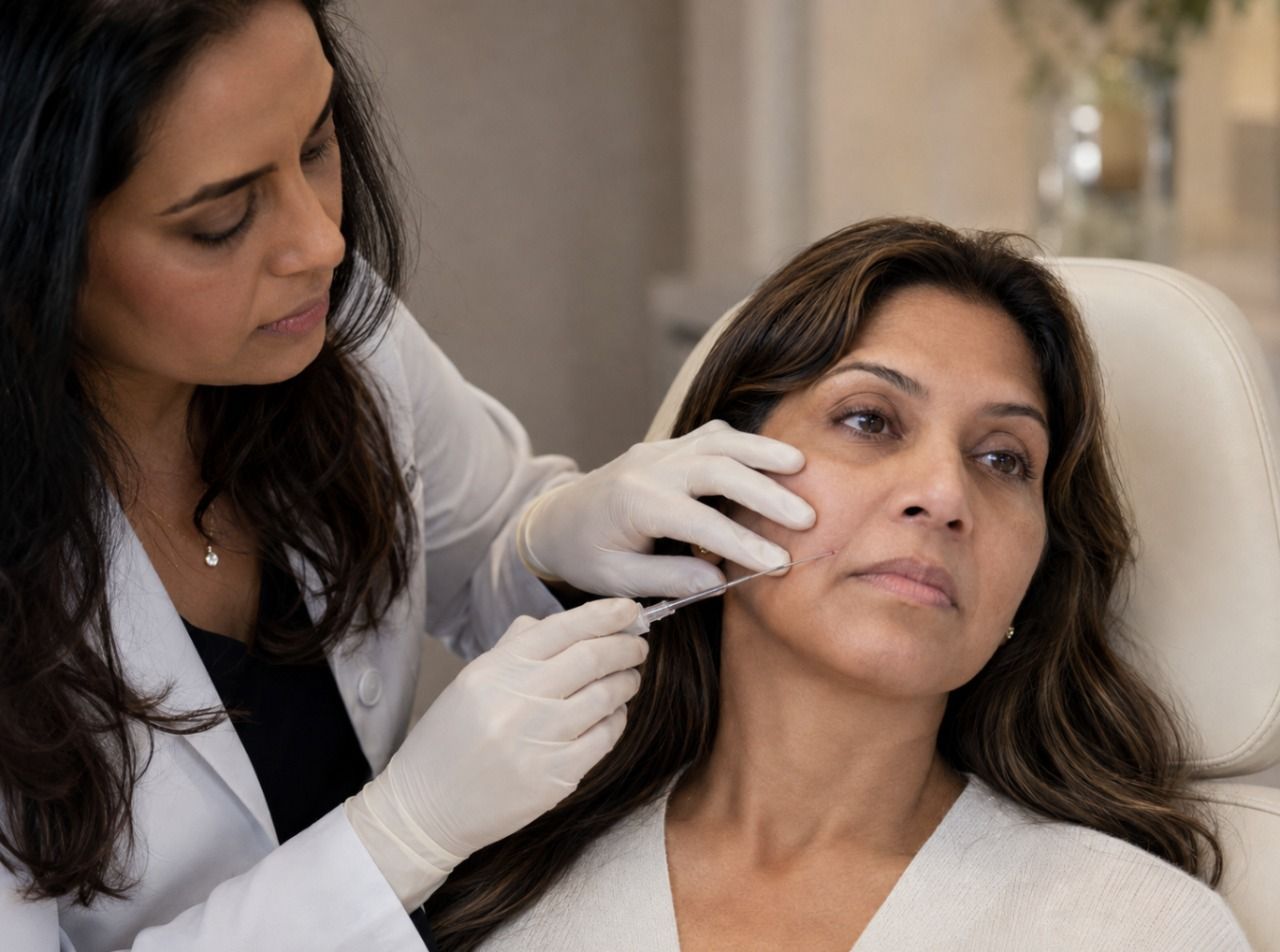
Two people can receive the same dermal filler and have very different results. Product choice is only one part of the treatment. Injection depth, placement, amount, facial anatomy, and the provider's judgment all influence the final appearance.
Placement Can Change Both Appearance and Safety
The face contains layers of skin, fat, muscle, connective tissue, nerves, and blood vessels. Different treatment areas require different approaches.
A provider may use a needle or cannula depending on the product, area, and treatment plan. Filler may also need to be placed at different depths depending on the structure being addressed.
Placement that is too superficial or poorly matched to the anatomy can contribute to visible irregularities, unwanted contour, asymmetry, or discoloration.
Anatomical knowledge also matters for safety. Dermal filler injections carry uncommon but potentially serious risks if material enters or compresses a blood vessel. That is one reason injector training, medical judgment, and the ability to recognize complications matter when choosing a provider.
For the patient, there is no need to memorize injection techniques. The more useful question is whether your provider can explain why a particular product, treatment area, and placement approach make sense for you.
Careful injection planning is only part of the experience. Knowing what happens afterward can also prevent unnecessary concern during the first few days.
Secret #5: Do Not Judge the Result Too Early

The appearance immediately after a JUVÉDERM® injection may not match how it looks once the area has settled.
Temporary swelling may make the treatment area look fuller at first. Some patients also notice redness, tenderness, firmness, bruising, itching, or small bumps near an injection site.
These reactions vary by person and treatment area.
Give Early Swelling Time to Settle
Mild swelling or redness may begin improving within a few days, while bruising and residual swelling can take longer.
This is especially worth considering if you are planning treatment before:
- A wedding
- A family reunion
- Professional photographs
- A vacation
- A major social event
Scheduling too close to an important date may leave little time for normal injection site reactions to resolve.
A follow-up appointment can also help your provider assess symmetry and determine whether any additional treatment is appropriate. Adding more filler before early swelling has settled may make it harder to judge the true result.
Knowing what is normal after treatment is useful, but it is equally important to understand the medical limitations and possible risks before deciding to proceed.
JUVÉDERM® Safety, Side Effects, and Downtime
JUVÉDERM® is a medical injectable treatment. Like other dermal fillers, it can cause side effects and is not suitable for every patient.
Common short-term reactions may include:
- Redness
- Swelling
- Tenderness
- Bruising
- Firmness
- Itching
- Discoloration
- Lumps or bumps
- Injection site discomfort
Your provider should review your health history before treatment. That discussion may include allergies, previous fillers, medications, supplements, skin conditions, and any history that could affect bruising, bleeding, or healing.
Some JUVÉDERM® XC formulations contain lidocaine, which can help with comfort during injection. Patients with known allergies to lidocaine or other product ingredients should tell their provider before treatment.
Treatment may also need to be postponed if active inflammation or infection is present near the planned injection area.
A clinical review from the National Library of Medicine discusses filler complications ranging from expected local reactions to uncommon vascular complications and explains why anatomical knowledge and prompt recognition matter.
Do not stop prescribed blood-thinning medication on your own simply to reduce bruising. Discuss medications with the clinician who prescribed them and with your aesthetic provider before making any changes.
Hyaluronic acid fillers may also be treated with hyaluronidase in certain situations, but this should not be viewed as a guarantee that every outcome can be completely or predictably reversed.
Once you understand the benefits, limitations, and recovery considerations, choosing the right provider becomes much easier.
Choosing Juvederm Fillers in Carmel, IN
If you are comparing providers for Juvederm fillers in Carmel, consider more than the price per syringe.
A consultation should help you understand what is being recommended and why.
Useful questions include:
- Who will perform my injections?
- Which JUVÉDERM® product is being considered?
- Why is that product appropriate for this treatment area?
- What degree of change is realistic for my anatomy?
- What side effects should I expect?
- What happens if I have concerns after treatment?
- When should the area be reassessed?
Patients who are cautious about injectables often value a provider who is willing to say when more treatment is not necessary.
Dr. Michele Finley has practiced nonsurgical aesthetic medicine since 2002 and founded her cosmetic medicine practice in 2003. Her background also includes internal medicine, emergency medicine, and experience as a medical director.
At Michele A. Finley MD Cosmetic Medicine, the focus is on personal attention, careful treatment planning, and helping patients make informed decisions about cosmetic care. For someone who wants to age gracefully without feeling pushed toward unnecessary treatment, that relationship can matter as much as the injectable itself.
A consultation can clarify many of the practical questions patients have before their first appointment, including the ones below.
Frequently Asked Questions About Juvederm Fillers
1. How long do Juvederm fillers last?
The duration varies by JUVÉDERM® product, treatment area, amount injected, facial movement, and individual response.
Some areas may retain visible correction longer than others. Your provider can give you a more relevant estimate after deciding which product and treatment area are appropriate for you.
Juvederm fillers are not considered permanent.
2. Which JUVÉDERM® filler is used for smile lines?
Several hyaluronic acid fillers may be considered for moderate to severe facial wrinkles and folds such as nasolabial folds, often called smile lines.
Products including Ultra XC and Ultra Plus XC may come up during treatment planning, depending on the area and individual needs. The best choice depends on factors such as fold depth, surrounding facial volume, tissue quality, and your goals.
A consultation is more useful than choosing a filler based on the product name alone.
3. Can Juvederm fillers look natural?
Yes, JUVÉDERM® may provide a natural-looking improvement when you consider product choice, volume, placement, anatomy, and patient goals together.
Natural-looking treatment does not always mean using the smallest possible amount. It means using an appropriate amount in the right location while respecting your face's proportions.
Individual results vary.
4. How much downtime is common after JUVÉDERM® injections?
Many patients return to routine daily activities relatively quickly, but visible swelling, bruising, redness, or tenderness may temporarily affect appearance.
Downtime varies by treatment area, product, injection technique, and individual response. If you have an important event planned, discuss timing with your provider rather than assuming all swelling will resolve within a few days.
5. Can Juvederm filler be dissolved?
Because JUVÉDERM® products contain hyaluronic acid, hyaluronidase may be used by a qualified medical provider in certain situations to break down hyaluronic acid filler.
The response is not completely predictable in every case, and additional assessment or treatment may be needed depending on the reason for dissolving the filler.
Understanding these details can make the decision feel more informed and less focused on trends or quick cosmetic fixes.
Natural-Looking Results Start With a Personalized Plan
Natural-looking filler treatment is rarely about one wrinkle or one syringe.
It starts with understanding your facial structure, choosing the right JUVÉDERM® product, using volume thoughtfully, respecting facial anatomy, and allowing time for the treated area to settle.
For many patients, the goal is simple: look refreshed, rested, and balanced while still looking like themselves.
If you are considering Juvederm fillers in Carmel, IN, Michele A. Finley, MD, Cosmetic Medicine offers personalized consultations for patients who want clear guidance and a treatment plan based on their individual goals.
Schedule a consultation with Dr. Michele Finley in Carmel to discuss your concerns, review your options, and learn which cosmetic medicine treatment may be appropriate for you.

Dr. Michele Finley
Meet Michele Finley, MD, a renowned expert in cosmetic treatments, dedicated to enhancing your beauty and confidence with personalized care and precision.