Laser Hair Removal in Carmel, IN: Dr. Finley’s Guide to Silky Skin

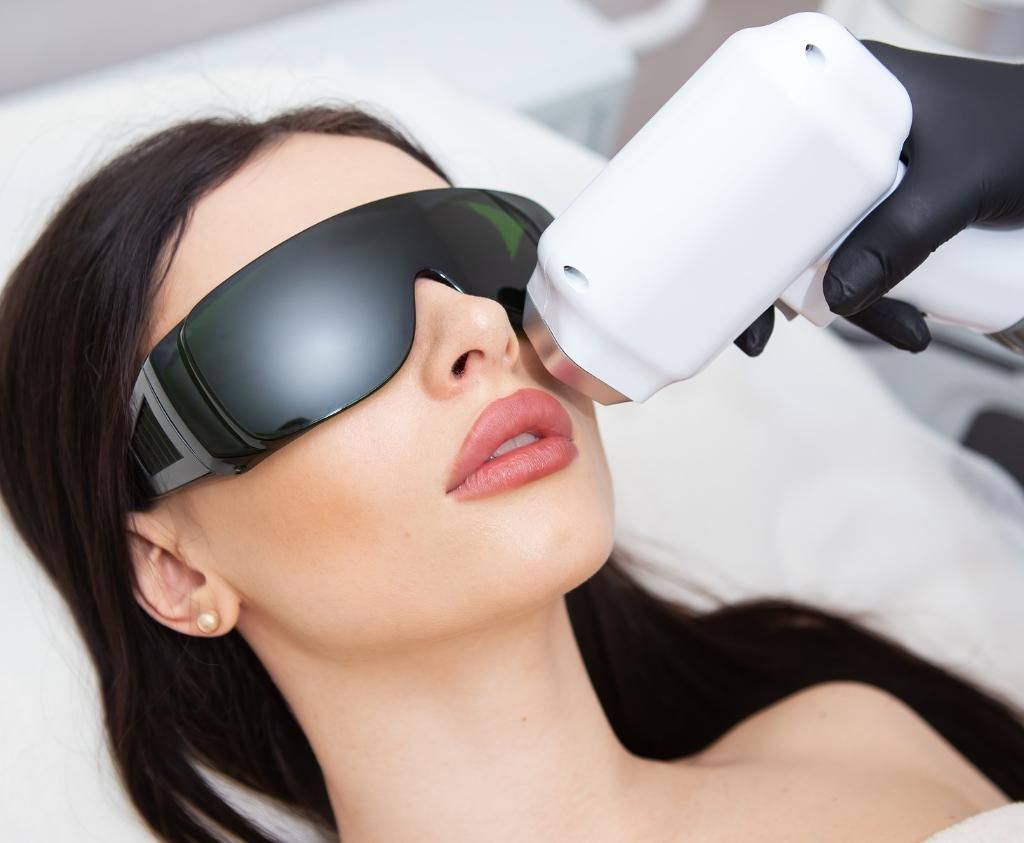
If you are tired of dealing with unwanted hair on your face, legs, underarms, or bikini area, you are not alone. Many patients in Carmel come to my office for the same reason. They want smooth skin without the constant cycle of shaving, waxing, or irritation.
Laser hair removal offers a real solution. This procedure targets the hair follicle itself, not just the hair you see on the surface. Over time, laser hair removal treatments lead to a clear reduction in hair and slower future hair growth. For many people, this means less shaving, fewer ingrown hairs, and smoother skin that lasts.
In this guide, I will explain how laser hair removal works, who it helps most, what the treatment feels like, and how to prepare. My goal is to help you decide if laser hair removal is right for you and your skin.
What Is Laser Hair Removal? A Science-Backed Overview
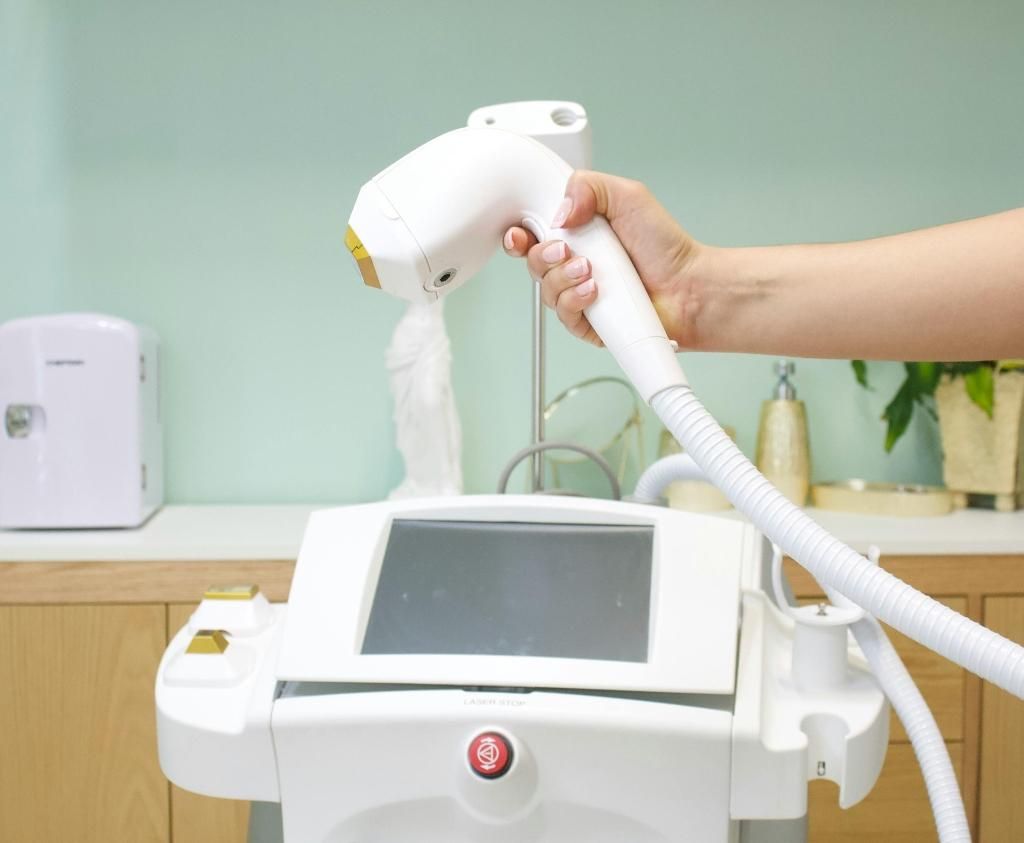
Laser hair removal is a medical procedure used to remove unwanted hair by using focused light energy. The laser beam targets pigment in the hair shaft and delivers heat down to the hair follicle. That heat damages the hair follicle so it cannot grow new hair as easily.
How Laser Technology Targets Hair Follicles
Laser hair removal uses selective photothermolysis. This means the laser light targets melanin within the hair while sparing surrounding skin. Dark hair absorbs more laser energy, which is why laser hair removal is most effective for dark hair.
The laser beam will pass through the skin and concentrate energy in the hair shaft. Heat then damages the hair follicle at its base. When the follicle is damaged correctly, hair regrows slower, finer, or not at all.
Modern laser technologies allow us to treat a wide range of hair and skin types. Devices such as the alexandrite laser and diode laser offer flexibility for different skin color and hair color combinations.
Laser Hair Removal vs. Traditional Hair Removal Methods
You have many hair removal methods available. Shaving cuts hair at the surface, so hair grows back quickly and often feels rough. Wax removes hair from the root, but it causes pain and repeated regrowth cycles.
Electrolysis can remove hair permanently, but it treats one hair at a time and takes much longer for large areas. Laser hair removal treats many hair follicles at once. This makes it ideal for areas like legs, back, chest, and bikini.
According to the Mayo Clinic, laser hair removal provides longer-lasting hair reduction than shaving or waxing, especially when performed in a series of treatments.
Is Laser Hair Removal Right for You?
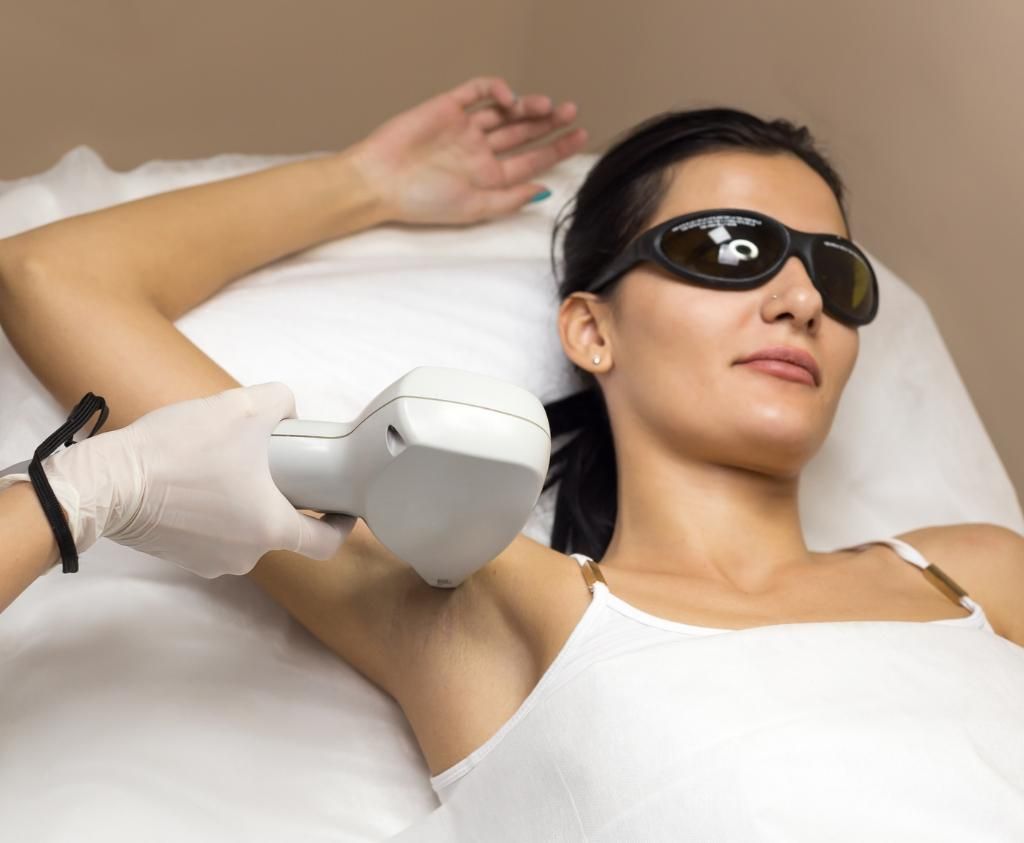
Laser hair removal results depend on your hair and skin, your health, and your expectations. A medical evaluation helps determine if this procedure is appropriate for you.
Ideal Candidates for Treatment
Laser hair removal works best when there is contrast between hair and skin. Patients with light skin and dark hair usually see the strongest results. Dark hair absorbs laser energy more efficiently, which leads to better damage of the hair follicle.
Hair growth patterns also matter. Areas with coarse hair, such as the bikini area or underarms, tend to respond very well. Stable hormone levels also improve outcomes, since hormones affect hair growth.
Many patients with sensitive skin choose laser hair removal because it reduces shaving-related irritation over time.
Who May Need Special Evaluation or Alternatives
Laser hair removal is less effective for light-colored hair such as blonde, gray, or red hair. These hair types contain less melanin, so the laser cannot target them as well.
Pregnancy, active skin infections, or medications that increase photosensitivity require caution. Certain acne medications and antibiotics can raise the risk of side effects. A physician should review your medical history before treatment.
The Cleveland Clinic emphasizes that proper screening reduces the risk of side effects and improves safety.
Areas Commonly Treated With Laser Hair Removal
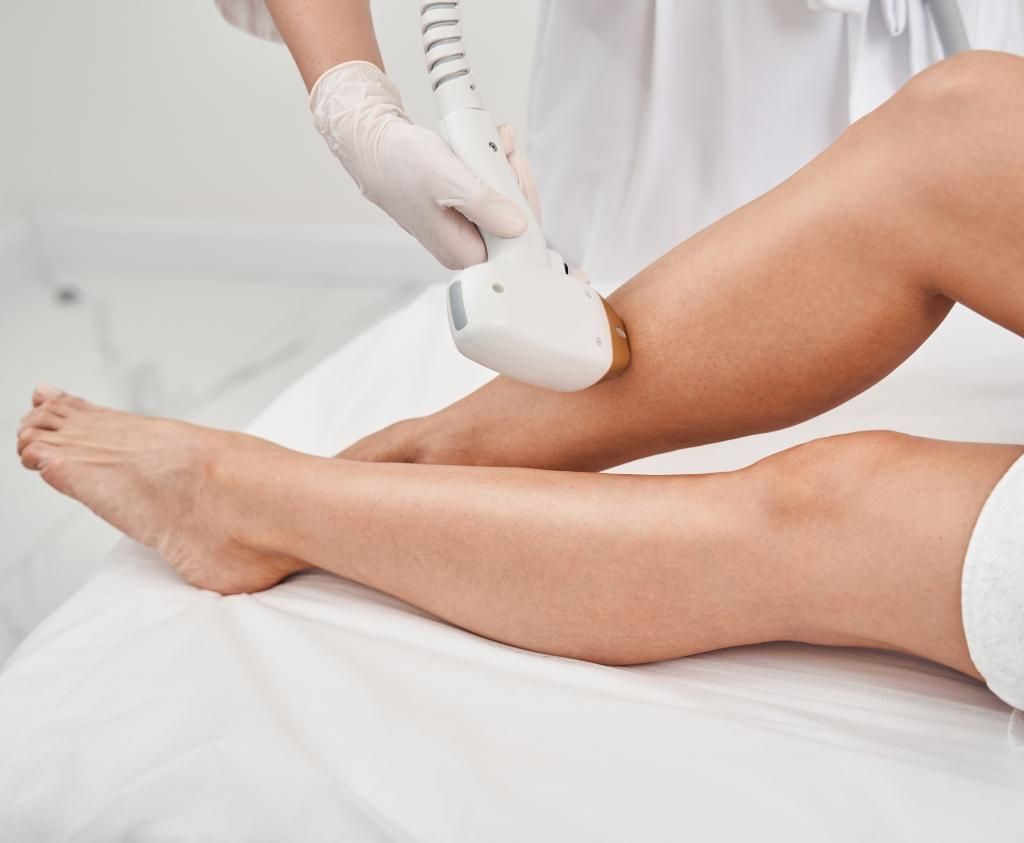
Laser hair removal can be used on almost any area of the body. The key is choosing the right settings for each treated area.
Facial Areas
Facial hair removal requires precision. Common areas include the upper lip, chin, jawline, and cheeks. Unwanted hair from the face can cause shadowing, irritation, and frequent shaving.
A skilled laser operator adjusts laser pulses carefully to protect skin while damaging the hair follicle. When done properly, facial laser hair removal is safe and effective.
Body Areas
Body treatments are very popular. Patients often treat:
- Legs
- Underarms
- Arms
- Bikini area
- Chest and back
Men and women both benefit from laser hair removal for unwanted body hair. Larger treatment areas respond well because laser hair removal devices can treat many hair follicles at once.
The Laser Hair Removal Process at Dr. Finley’s Practice
Every laser hair removal journey starts with planning. A thoughtful approach improves safety and results.
Personalized Consultation and Skin Assessment
Your consultation includes a review of your skin and hair, medical history, and goals. I assess skin type, hair color, and hair density. This allows me to design a treatment plan tailored to you.
We also discuss expectations. Laser hair removal leads to permanent hair reduction, not a guarantee of permanent hair removal. Some hair may regrow over time, but it is usually finer and lighter.
What to Expect During Your Treatment Session
During the session, we cleanse the treatment area and apply protective eyewear. The laser equipment delivers short bursts of laser light to the skin. Many patients describe the sensation as quick warmth or a light snap.
Cooling systems help protect the skin and improve comfort. Treatment time depends on the size of the area. Small areas may take minutes, while larger areas may take up to an hour.
Post-Treatment Care and Recovery
After treatment, redness or swelling may appear. These effects include mild discomfort and usually resolve within a day or two. You can return to normal activities right away, but sun protection is critical.
How Many Treatments Are Needed and Why
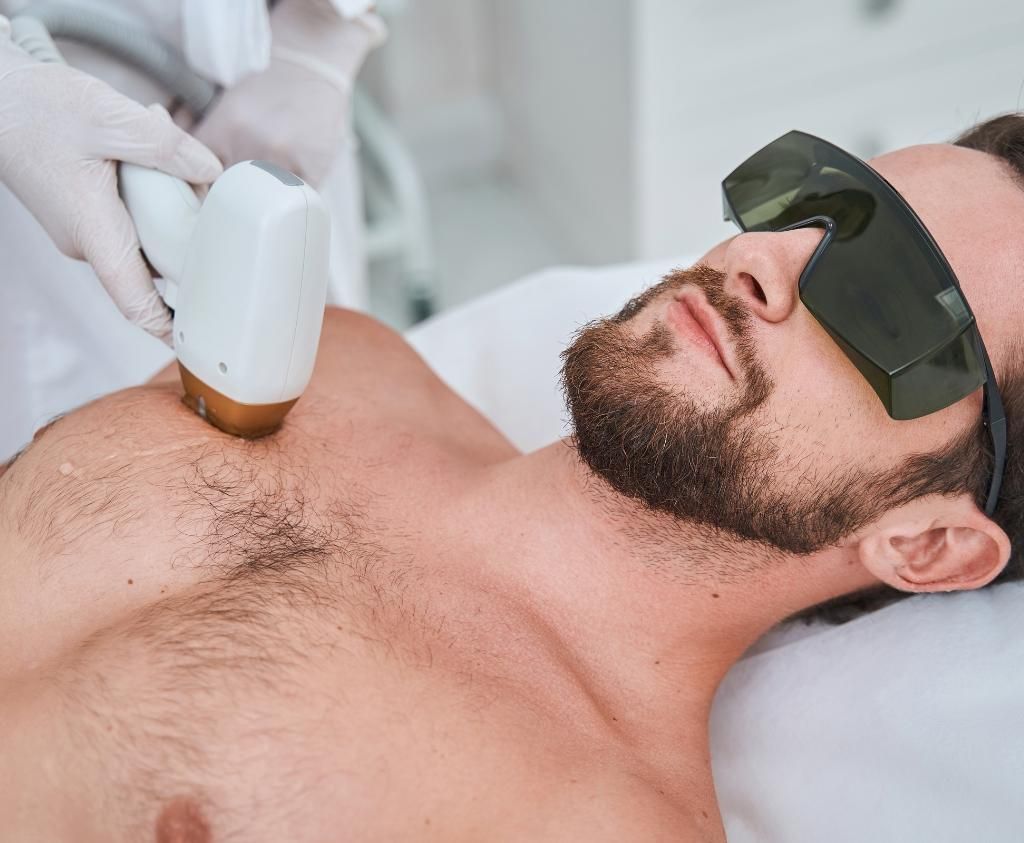
Patients often ask why laser hair removal requires multiple sessions. The answer lies in how hair grows.
Understanding the Hair Growth Cycle
Hair grows in cycles. Only hairs in the active growth phase respond to laser treatment. At any time, many hairs are resting or shedding. Laser hair removal uses this principle to target active follicles over time.
Because hair grows in cycles, a single session cannot treat all hair follicles. This is why multiple laser hair removal treatments are required.
Typical Treatment Schedules
Most patients need 6 to 8 sessions spaced 4 to 6 weeks apart. Hormones, treatment area, and type of hair all affect results. Some areas may need maintenance treatments later to manage new hair growth.
Safety, Side Effects, and Medical Oversight
Laser hair removal is usually safe when performed correctly. Medical oversight plays a major role.
Is Laser Hair Removal Safe?
The Food and Drug Administration has cleared laser hair removal devices for hair reduction. When a trained professional performs laser treatment, the risk of complications stays low.
Physician supervision ensures correct laser settings and proper skin assessment. This reduces the risk of burns, pigment changes, and other issues.
Possible Side Effects and How They Are Managed
Side effects include redness, swelling, and temporary skin sensitivity. Potential side effects include pigment changes, especially if the skin is exposed to sun too soon.
Serious complications are rare.
WebMD notes that most side effects resolve quickly when patients follow post-treatment instructions.
Why Choose Dr. Michele Finley for Laser Hair Removal in Carmel, IN
Experience matters when performing cosmetic procedures on your skin.
Over Two Decades of Medical and Aesthetic Expertise
I am a board-certified physician with more than 20 years of experience in cosmetic medicine. My background in internal medicine allows me to consider the whole patient, not just the treated hair.
I work with state-of-the-art laser equipment and multiple laser technologies to match each patient’s skin and hair.
A Patient-First Philosophy
You receive honest guidance, careful treatment, and clear instructions. My focus stays on safety, comfort, and results you can trust.
Cost of Laser Hair Removal and What Affects Pricing
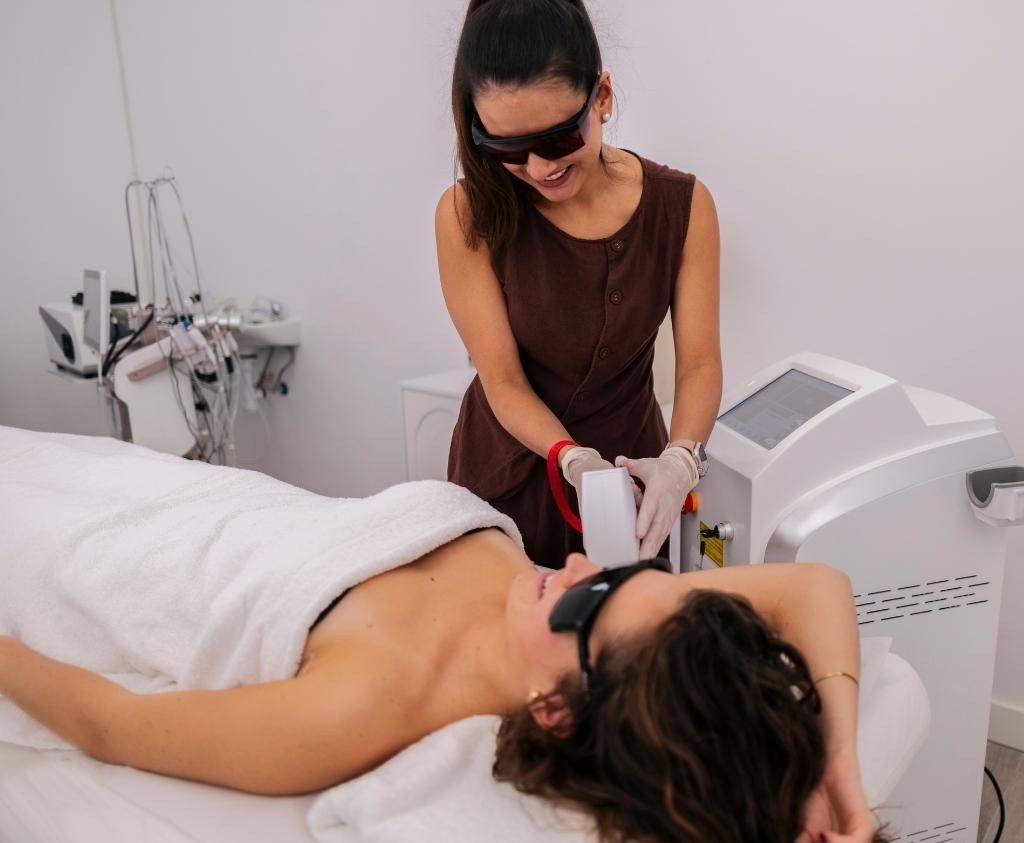
Cost varies based on several factors.
Factors That Affect Treatment Cost
Pricing depends on:
- Size of the area
- Number of sessions
- Type of laser used
- Provider experience
Larger areas and multiple sessions increase cost, but they also deliver better long-term hair reduction.
Value of Physician-Led Care vs. Discount Clinics
Lower prices may look appealing, but poorly performed laser hair removal can lead to burns, pigment issues, or poor results. Physician-led care reduces the risk of side effects and wasted treatments.
Average Cost Factors at a Glance
| Factor | How It Affects Cost |
|---|---|
| Treatment area size | Larger areas cost more |
| Number of sessions | More sessions increase total cost |
| Laser technology | Advanced devices may cost more |
| Provider expertise | Medical oversight adds value |
Preparing for Your Laser Hair Removal Appointment
Preparation helps protect your skin and improve results.
What to Do Before Treatment
Shave the area 24 hours before your visit. Avoid waxing or plucking, since the hair follicle must be present. Avoid sun exposure and tanning products for at least two weeks. Tell your provider about medications and skincare products.
What to Avoid After Treatment
Avoid sun exposure, heat, and harsh skincare products. Follow-up visits matter because consistency affects results.
Frequently Asked Questions
1. Does laser hair removal permanently remove hair?
Laser hair removal causes permanent hair reduction, not a guarantee of permanent hair removal. Some hair may regrow over time, but it usually grows back finer, lighter, and much slower, which makes it easier to manage and less noticeable.
2. Is laser hair removal painful?
Most patients tolerate laser hair removal very well, especially with modern laser technology. The sensation varies by treatment area, but many people describe it as a quick snap or warmth, and built-in cooling systems help protect the skin and reduce discomfort.
3. Can laser hair removal treat sensitive skin?
Yes, laser hair removal can be performed safely on sensitive skin when the correct laser settings are used. Medical supervision is important because it allows treatment to be adjusted to minimize irritation while still damaging the hair follicle effectively.
4. Is laser hair removal safe for all skin tones?
Modern laser technologies allow safe treatment for many skin tones, including darker skin, when handled by an experienced provider. Proper laser selection and settings are essential to reduce the risk of pigment changes or skin injury.
5. Can men benefit from laser hair removal?
Yes, many men choose laser hair removal to reduce unwanted body hair and simplify grooming. Common treatment areas include the back, chest, neck, shoulders, and beard area, especially to reduce irritation from shaving or ingrown hairs.
Conclusion: Smooth, Confident Skin Starts With Expert Care
Laser hair removal has become a trusted way to remove unwanted hair and reduce daily grooming. Results depend on the right laser, proper technique, and medical oversight.
If you want smoother skin with fewer hassles, a personalized consultation can help you decide if laser hair removal fits your goals. Expert care makes all the difference. Schedule a consultation today.

Dr. Michele Finley
Meet Michele Finley, MD, a renowned expert in cosmetic treatments, dedicated to enhancing your beauty and confidence with personalized care and precision.