
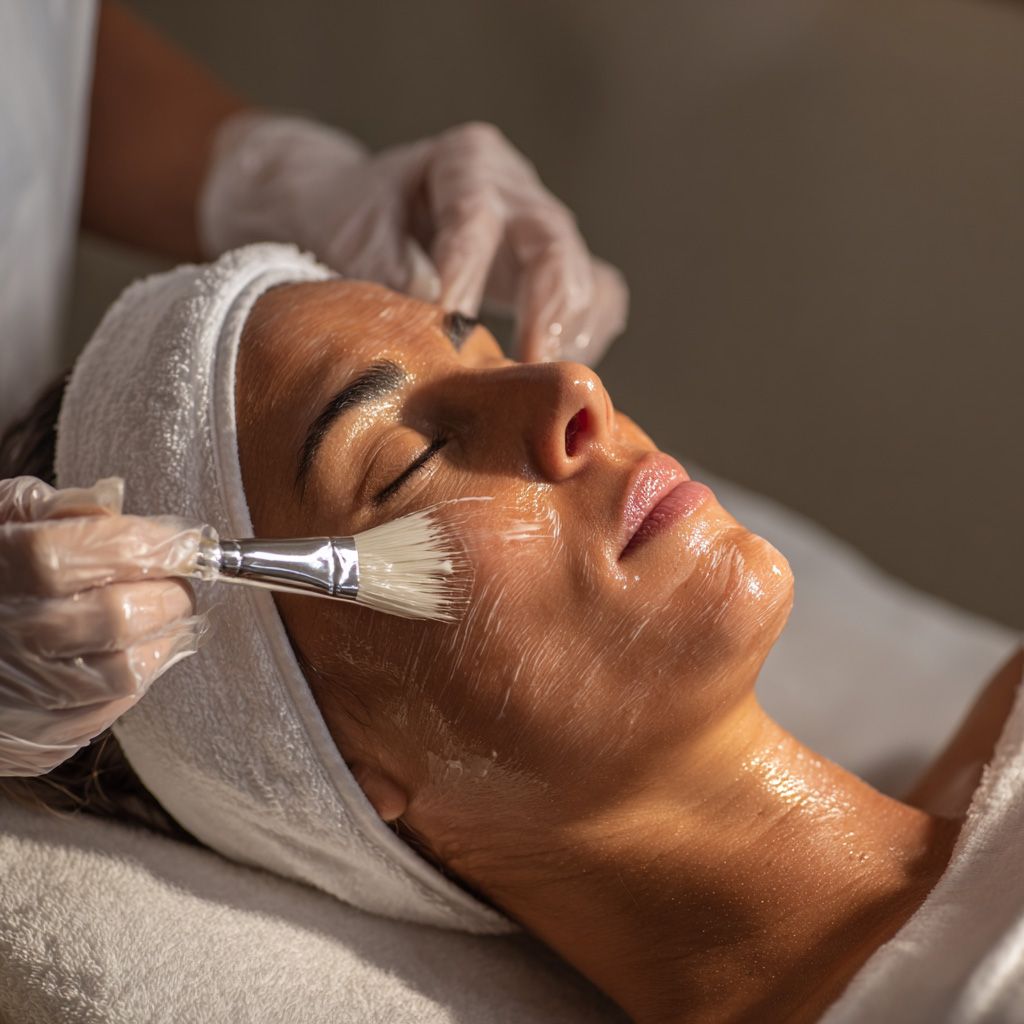
If you’ve ever noticed new dark spots, uneven skin, or stubborn acne marks that don’t seem to fade, you’re not alone. These are common skin issues, and they can be frustrating. The good news is that a simple chemical peel can help clear discoloration, smooth rough texture, and brighten your skin without a long recovery.
Many people in Carmel want something safe, effective, and not overly complicated. That’s why chemical peels are such a popular choice. And with Dr. Michele Finley’s experience in aesthetic medicine, you get a treatment customized to your skin and your goals.
In this article, you’ll learn what chemical peels do, the benefits you can expect, and ten practical tips to help you get clearer, healthier-looking skin.
What Exactly Is a Chemical Peel? A Clear, Simple Breakdown
Chemical peels are considered a cosmetic treatment, but they are based on real dermatology science. A peel uses a chemical solution to remove the top layers of the skin so your body can create new skin underneath. When done correctly, a peel can help reduce acne, soften wrinkles, brighten uneven tone, and smooth rough texture. You get both chemical exfoliation and controlled skin resurfacing in one treatment.
How Chemical Peels Work
Chemical peels work by dissolving the bonds between dead skin cells. When the chemical solution is applied to the skin, the peel penetrates to the depth chosen by your provider. Light peels stay more superficial, while deeper peels work inside deeper layers of your skin. This controlled exfoliation encourages new cell growth and fresh collagen.
According to the Cleveland Clinic, chemical peels remove damaged layers of skin and support long-term improvements in tone and texture.
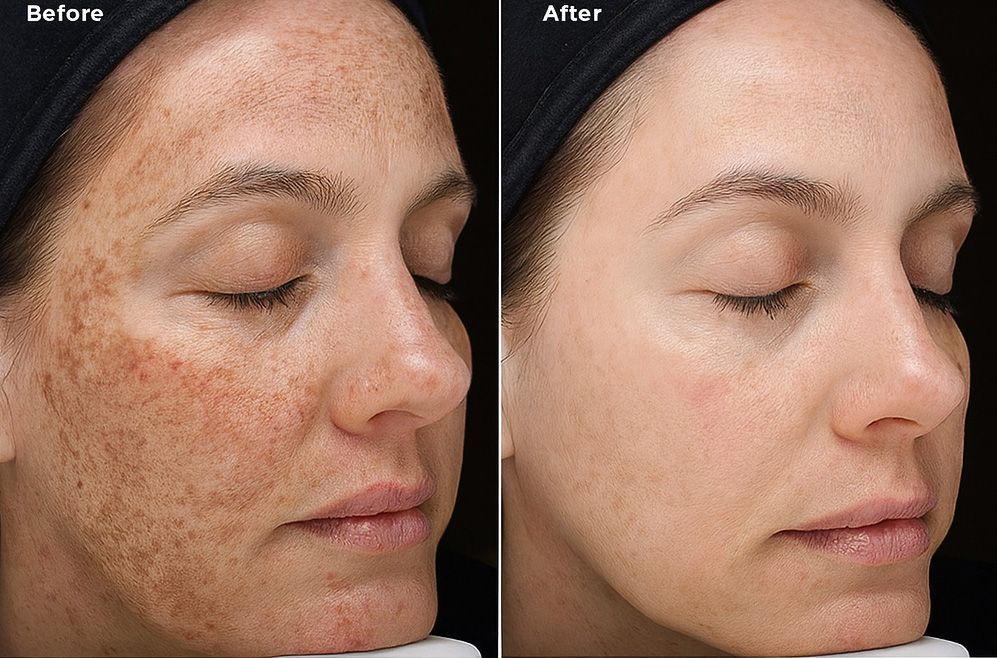
When the old layer of skin sheds, the new skin underneath looks brighter and smoother. You may also see fewer breakouts because pores stay clearer. A peel can help fade dark spots caused by sun damage, acne scars, or melasma because the pigmented cells sit in the top layers of the skin. Once removed, the skin tone looks more even.
Types of Chemical Peels: Light, Medium, Deep
Different concerns call for different peel strengths. Light chemical peels use gentle acids like glycolic acid or lactic acid. They work on the top layer of skin and help treat dullness, mild acne, and uneven skin tone. The recovery is quick and you usually go back to normal activity the same day.
Medium peels often use trichloroacetic acid. This type of chemical peel goes deeper, reaching the middle layers of your skin. Medium chemical peels help reduce wrinkles, acne scarring, and stubborn pigmentation.
Deep chemical peels use strong solutions like phenol. A deep chemical peel is used to treat severe wrinkles or significant sun damage. It involves more recovery time and should only be performed by a highly trained medical provider. According to the Mayo Clinic, deeper peels give dramatic results but require careful monitoring.
Peels Commonly Used in Medical Practices
Medical offices use different chemical ingredients depending on your skin type and goals. AHAs like glycolic acid brighten tone and improve texture. BHAs like salicylic acid work well on acne-prone skin. TCA peels work on pigmentation, wrinkles, and texture issues. Phenol treats deeper wrinkles and advanced sun damage.
Medical-grade formulations are stronger than spa peels, so they work more effectively on deeper layers of your skin. Healthline notes that medical-strength peels can significantly improve pigmentation, acne scars, and lines because they penetrate deeper compared to cosmetic exfoliation.
Key Benefits of Chemical Peels for Carmel, IN Patients
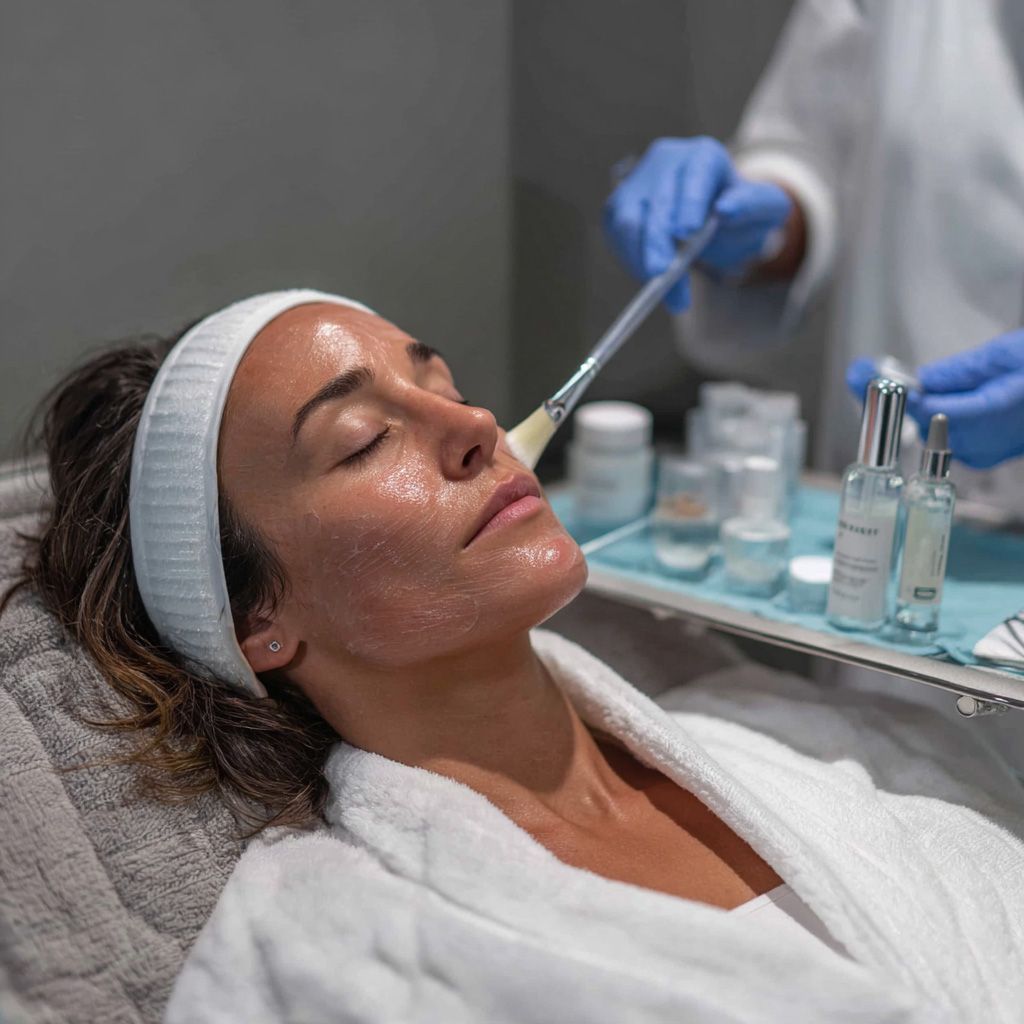
Each benefit comes from the way a peel works inside different layers of your skin, so let’s break down the improvements you can expect.
Smoother Texture and Reduced Fine Lines
You feel the difference right away after a peel. Skin looks smoother and feels softer because the dead skin cells have lifted off. Fine lines appear less noticeable as collagen begins to rebuild in the deeper layers. When your skin repairs itself, the texture becomes more even and youthful-looking.
Clearer, Brighter, More Even-Toned Skin
Pigmentation is a common issue in Carmel due to sun exposure. A peel can help remove sun-damaged skin and fade uneven pigment. You begin to see clearer and more even skin tone within days. This is one of the main benefits of a chemical peel for people who struggle with uneven skin or melasma.
Improved Acne and Reduced Breakouts
A peel can help treat acne because it removes the top layer of skin that traps oil and bacteria. Salicylic acid peels are often used to treat acne, reduce enlarged pores, and reduce future breakouts. When pores stay clean, inflammation decreases, and acne-prone skin looks calmer and smoother.
Reduction in Dark Spots and Age Spots
Dark spots form when pigment cells rise to the surface. Chemical peels remove those top layers so the pigment fades over time. Medium chemical peels using TCA work especially well on stubborn sun spots and post-acne marks.
Better Absorption of Skincare Products
Once your dead skin layer is removed, your skincare products sink deeper into your skin. This makes ingredients like vitamin C and retinoids work better. Your daily skin care routine becomes more effective because the barrier of dead skin is gone.
10 Tips for Clearer Skin With Chemical Peels
To get the most out of your peel, there are a few things you should keep in mind that make a noticeable difference in how your skin heals and improves.
Tip 1: Choose the Right Peel Strength for Your Skin Concerns
Different concerns need different strengths. If you want brightness and a smoother texture, a light peel works well. If you want stronger resurfacing for wrinkles or acne scarring, a medium or deep peel may be better. Matching the type of chemical peel to your goals gives you the safest and best result.
Tip 2: Schedule a Professional Consultation With Dr. Finley
A proper assessment protects your skin. Dr. Finley chooses the correct type of peel by considering your skin tone, skin condition, and medical history. With decades of experience, she customizes your plan so you feel confident and safe.
Tip 3: Prep Your Skin Properly Several Days Before
You should avoid retinoids, harsh exfoliants, and tanning for at least a week before treatment. Clean, gentle skin responds better to a peel. Preparing your skin helps reduce irritation and supports smoother healing.
Tip 4: Protect Your Skin From Sun Exposure
The sun can trigger pigmentation after a peel. Using daily sunscreen in Carmel is important, especially before and after treatment. Sun protection keeps your skin tone even and prevents new damage.
Tip 5: Follow Post-Treatment Instructions Closely
Expect some redness or flaking. You should keep your skin moisturized and avoid scratching your skin while it peels. Using gentle skin care products helps the healing process. Picking or peeling skin early can cause pigmentation so patience is key.
Tip 6: Stay Consistent With a Series of Treatments
Most chemical peels work best in a series spaced several weeks apart. Each peel provides deeper improvements as your skin gradually renews. You see smoother and clearer skin with consistent care.
Tip 7: Combine Peels With Other Complementary Services
Peels combine well with microneedling or certain lasers when recommended. This layering approach improves texture, pigmentation, and firmness. Your provider will guide you so the treatment area heals safely.
Tip 8: Maintain Hydration and a Simple Daily Routine
Moisturizer is your best friend after a peel. Hydration supports healing and keeps your skin barrier strong. Avoid over-exfoliating so your skin has time to recover fully.
Tip 9: Use Maintenance Skincare Between Peels
Products containing glycolic acid or salicylic acid can help maintain results once your skin fully heals. You can return to retinoids when your provider confirms it is safe. These products help preserve smooth skin and bright tone.
Tip 10: Choose a Provider With Medical Expertise
Chemical peels are considered a cosmetic treatment but they require medical knowledge. A doctor understands how different chemical solutions interact with your layers of skin. Dr. Finley brings both internal medicine experience and long term aesthetic practice to ensure safe and precise care.
Who Is a Good Candidate for Chemical Peels in Carmel, IN?
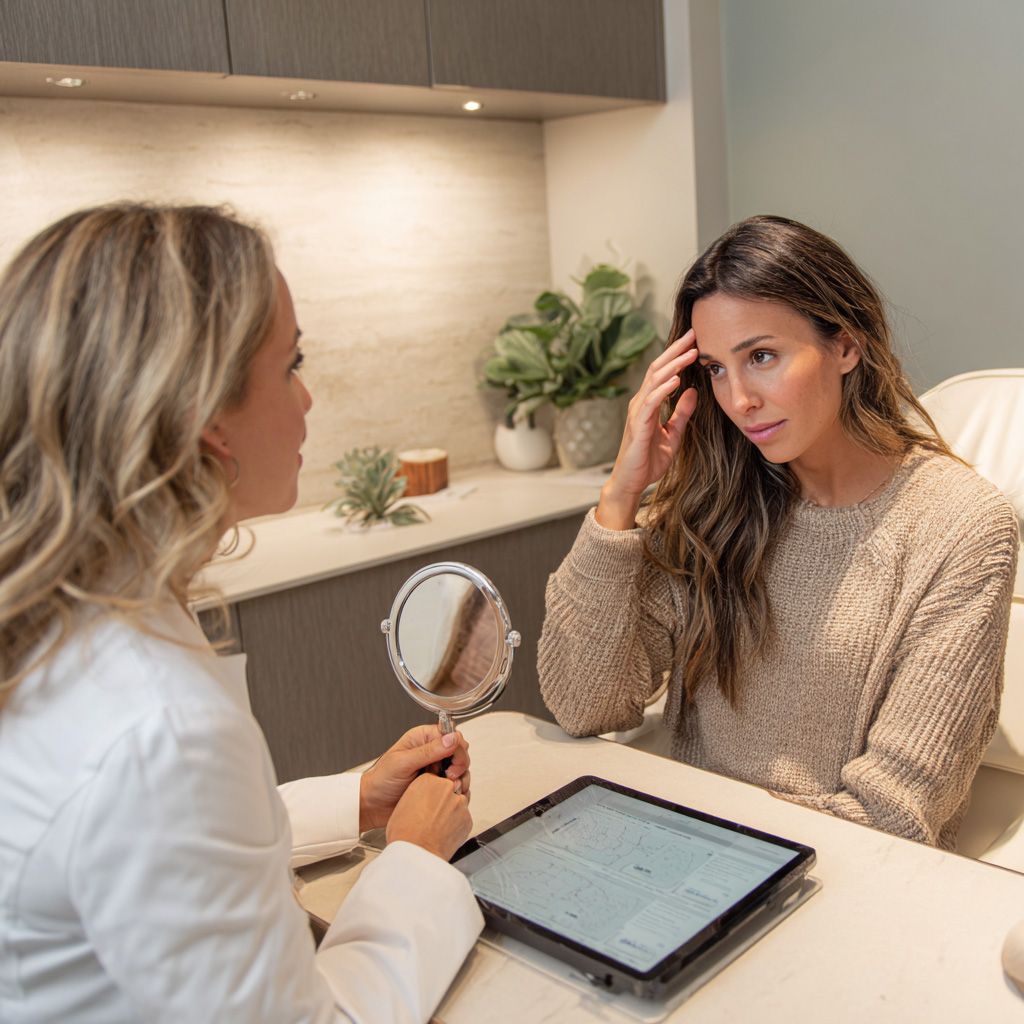
Not every skin concern requires the same approach, so here’s how to tell if a chemical peel could be a safe and effective option for you.
Skin Types and Concerns That Benefit Most
Chemical peels can help treat acne, fine lines, uneven skin tone, pigmentation, and sun damage. If you want clearer and smoother skin, you may be a strong candidate. Most skin types benefit from the right peel strength.
Conditions That May Require Caution
Sensitive skin, active infections, or recent retinoid use may require adjustments. People with darker skin can receive peels safely but the type of chemical peel used must be chosen with care to avoid unwanted pigmentation.
Why a Medical Provider’s Evaluation Matters
A trained provider looks at your skin color, thickness, sensitivity, and concerns before choosing the right peel. Medical evaluation keeps your skin safe and reduces the risk of problems.
What to Expect During Your Appointment With Dr. Michele Finley
A chemical peel becomes much less intimidating when you know exactly what your appointment looks like from start to finish.
Consultation and Skin Evaluation
Your visit starts with a conversation about your goals and past treatments. Dr. Finley studies your skin closely so she can choose the best chemical solution for you. This step helps ensure predictable and safe results.
During the Treatment
Your skin is cleaned and prepped. A chemical solution is applied to the skin for a few minutes. You may feel tingling or warmth but it should not be painful. The peel solution works on the top layers of the skin and is then neutralized or removed.
Aftercare and Healing Timeline
Peeling usually starts a few days later. You may notice flaking or dryness. Avoid picking the skin and let it shed naturally. You begin to see new skin appear and the treatment area looks brighter and smoother.
How Long Do Results Last? Understanding Longevity and Maintenance
Chemical peels work in stages, and several factors determine how long your clearer skin lasts, so let’s go over what you can expect.
Timeline for Improvements
The first glow appears within days. Deeper improvements like softening wrinkles and fading pigmentation, develop over weeks as new skin forms and collagen repairs itself.
Factors That Influence Duration
Sun exposure, genetics, and your skin care routine affect how long results last. SPF is essential for protecting your investment. Healthy skin habits keep your skin looking smooth and even.
Maintenance Treatments
Most people choose maintenance peels every season or every few months. These treatments keep your pigmentation controlled and your skin texture smooth.
Types of Peels and What They Treat
Since not all peels work the same way, this chart shows how each level targets specific skin concerns.
| Type of Peel | Depth | Ideal For | Key Ingredients | Downtime |
|---|---|---|---|---|
| Light Peel | Superficial | Dull skin, mild acne, uneven tone | Glycolic acid, lactic acid, salicylic acid | Minimal |
| Medium Peel | Mid-depth | Pigmentation, acne scarring, wrinkles | Trichloroacetic acid | Moderate |
| Deep Peel | Deep layers | Deep wrinkles, severe sun damage | Phenol | Significant |
FAQs About Chemical Peels
1. How often should I get a chemical peel?
Most people benefit from a peel every 4 to 6 weeks, depending on their goals and skin type.
2. Do chemical peels hurt?
Peels usually create a warm or tingling feeling. Medium and deep chemical peels feel stronger but the sensation is temporary.
3. How long is the downtime after a peel?
Light peels have almost no downtime. Medium chemical peels require several days of peeling. Deep chemical peels need more recovery time.
4. Are chemical peels safe for sensitive or darker skin?
Yes, when performed by a trained medical provider. The correct type of peel must be chosen to protect your skin.
5. Can a peel help treat acne scars?
Medium-depth peels can help reduce acne scarring by removing the top layers of the skin and encouraging collagen production.
Conclusion: Your Clearer Skin Journey Starts Today
A chemical peel gives you a fresh start by removing damaged skin, brightening uneven tone, and helping reduce acne, wrinkles, and pigmentation. You see clearer and smoother skin without needing surgery or a long recovery time. Dr. Michele Finley brings years of medical experience to every treatment so you feel safe and supported from start to finish.
If you want healthy skin that looks brighter and more even, schedule a consultation at Michele A. Finley MD Cosmetic Medicine in Carmel. You can start your journey toward clearer skin today with a personalized plan made for your skin and your goals.

Dr. Michele Finley
Meet Michele Finley, MD, a renowned expert in cosmetic treatments, dedicated to enhancing your beauty and confidence with personalized care and precision.