
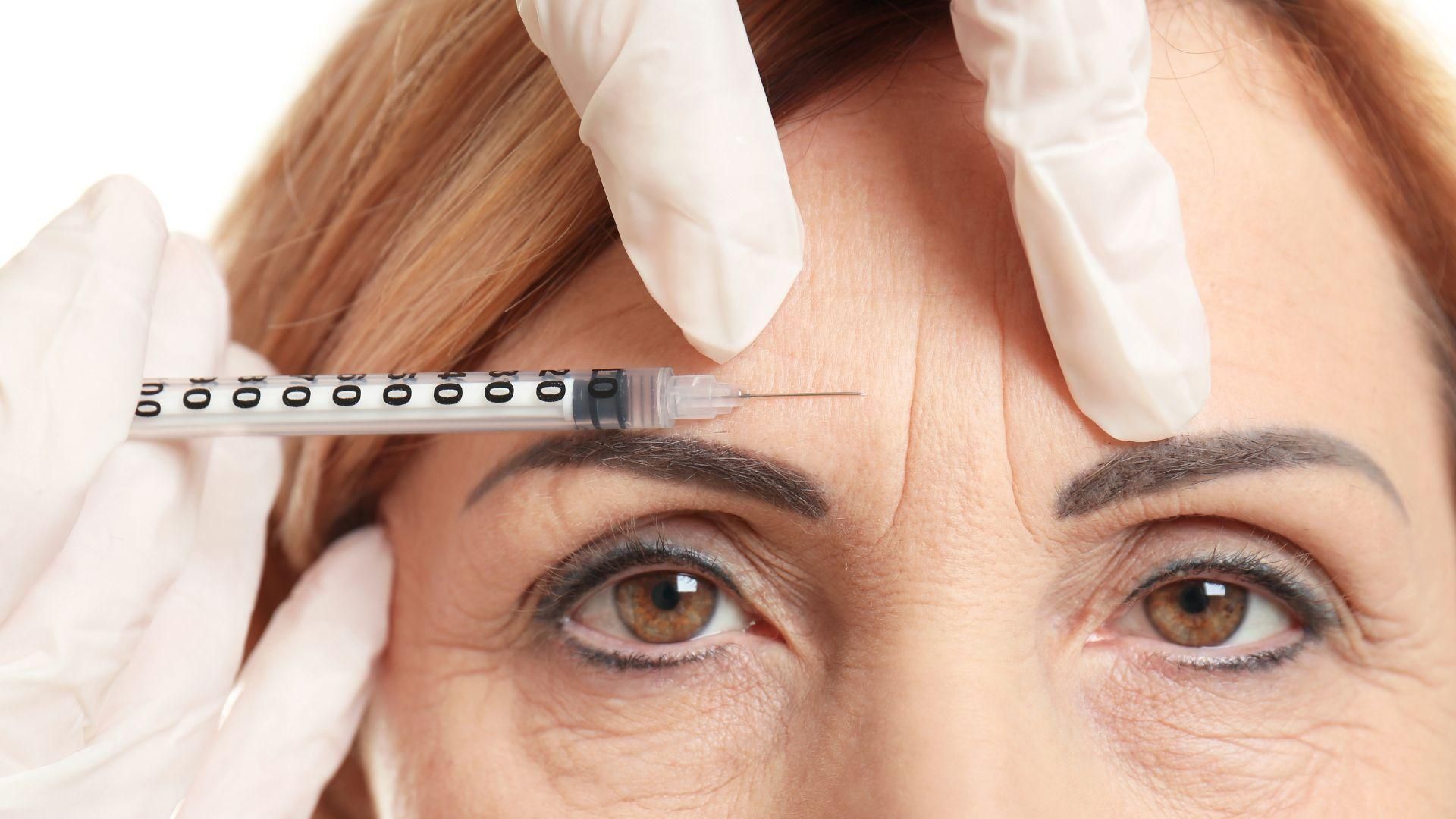
Getting older sometimes shakes how you see yourself. Picture after picture shows famous people chatting about Botox as if it were brushing teeth - casual, normal - even while whispers of disapproval hang nearby. That mix might leave you hesitating, questioning whether chasing softer lines makes you seem excessive or untrue.
Appearing refreshed matters more than dramatic change for many women. What shifts the discussion is knowing how the process functions. Facial muscles, often too active, create deep creases; relaxation of these areas reduces such marks. A skilled practitioner ensures outcomes reflect natural rest, not artificial alteration. Instead of a different version, the outcome resembles someone who slept deeply and woke renewed. The glow follows quietly, without announcement
Understanding how Botox works, where it should be injected, and why medical expertise matters removes the fear and the stigma. The difference between natural results and regret comes down to precision, anatomy knowledge, and conservative treatment planning.
What Botox Is and How It Works
Botox has a long medical history, not just cosmetic use. Understanding what it is helps you feel confident about treatment.
Understanding Botulinum Toxin Type A
Botox is a botulinum toxin type A injection, also known as onabotulinumtoxinA. The toxin comes from the bacterium Clostridium botulinum. That sounds scary, but context matters. The amount of botulinum toxin used in cosmetic injections is extremely small and carefully controlled.
The Food and Drug Administration approves
Botox for cosmetic treatmentof forehead lines, frown lines, and crow’s feet. Botox is also used for medical conditions like chronic migraine, overactive bladder, and muscle spasticity. This wide therapeutic use supports its safety when administered correctly.
Dynamic Wrinkles vs Static Wrinkles
Wrinkles form in different ways. Botox works best on dynamic wrinkles, which form from repeated muscle activity. These include forehead lines and lines between the eyebrows. Static wrinkles remain visible at rest and may need additional treatments.
Early treatment matters. Calming muscle movement reduces skin folding. Precise injection of botulinum toxin prevents deep creases from setting in while keeping natural expression.
Common Areas Treated With Botox

Different parts of the face move differently. Treatment needs to match that movement.
Upper Face Treatment Areas
The upper face responds very well to Botox injections. Common treatment areas include:
- Forehead wrinkles from eyebrow lifting
- Frown lines from repeated squinting or stress
- Crow’s feet from smiling and sun exposure
These injections reduce tension without flattening expression when placed correctly.
Lower Face and Advanced Botox Applications
Lower face Botox requires advanced skill. Areas include:
- Bunny lines on the nose
- Lip flip to soften a tight upper lip
- Chin dimpling caused by muscle pulling
- Neck bands linked to platysma muscle activity
These injections also improve balance when used carefully.
What Are the Riskiest Areas for Botox?
Some areas move constantly and sit close to important muscles. The glabella, eyes, and lower face carry higher risk. Injector anatomy knowledge protects you from muscle weakness, drooping, or asymmetry. This is why physician-led care matters.
Botox Results, Longevity, and Facial Appearance

Most people want to know how long Botox lasts and what it will look like.
How Long Do Botox Injections Last?
Botox results usually may last three to four months. Muscle strength, metabolism, and injection technique all matter. Repeated injections can lead to longer-lasting effects because muscles relax over time.
You usually see results within 3 to 5 days. Full effects appear around 10 to 14 days after treatment.
Does Botox Cause Pillow Face?
Botox does not add volume. Fillers do. Pillow face comes from excess filler, not botulinum toxin injections. Conservative dosing prevents an overdone look. Botox simply relaxes muscle activity.
Botox Treatment Areas and Expected Outcomes
Botox works differently depending on where it is injected, so results vary by treatment area and muscle activity.
| Treatment Area | Primary Concern | Typical Result |
|---|---|---|
| Forehead | Horizontal wrinkles | Smoother skin, relaxed look |
| Glabella | Frown lines | Softer expression |
| Crow’s feet | Smile lines | Brighter eyes |
| Neck bands | Muscle pulling | Smoother neckline |
Long-Term Botox Use and Aging Over Time
Many people worry about what happens if they stop.
What Happens When You Stop Botox?
Your muscles slowly return to normal activity. Nothing worsens. Botox does not damage muscles or skin. You simply lose the effects as nerve signals resume.
Do Wrinkles Come Back After Botox Wears Off?
Wrinkles return gradually. Many patients notice lines look softer than before. Reduced muscle strain helps skin recover over time.
Botox Safety, Side Effects, and Medical Considerations

Safety should never feel like an afterthought.
What Are the Bad Side Effects of Botox?
Common side effects include:
- Mild headache
- Bruising at the injection site
- Temporary redness
Serious side effects are rare but possible. These include muscle weakness away from the injection site, trouble swallowing, or breathing issues. Seek medical care right away if this happens.
Who Should Avoid Botox Injections?
You should avoid Botox if you have neuromuscular disorders, active infection at the injection site, or a known allergy to botulinum toxin. Pregnancy and breastfeeding require caution due to limited safety data.
Botox by Age and Treatment Timing
Wrinkles come more from muscle movement than age. Botox relaxes overactive muscles, so treatment depends on how your face moves, not your age. Starting early can slow lines, and starting later can still soften them when done correctly.
Preventative vs Corrective Botox
Preventative Botox focuses on stopping wrinkles before they deepen. In your 20s and 30s, small amounts of Botox can relax overactive muscles that repeatedly crease the skin. This approach does not freeze your face. It simply reduces excessive movement that leads to permanent lines.
Corrective Botox addresses wrinkles that already show at rest. In your 40s, 50s, and beyond, Botox softens these lines by reducing muscle pull on the skin. Results depend on skin quality and muscle strength, but many patients see a noticeable improvement. Both approaches work best when dosing stays conservative and customized.
What Age Is Too Late for Botox?
There is no age that disqualifies you from Botox. Age does not determine results. Muscle activity, skin thickness, and expectations matter far more. Many people start Botox later in life and still benefit from relaxed expression and smoother skin.
Botox does not reverse every wrinkle, but it can improve how your face rests and moves at any age.
Frequently Asked Questions About Botox Injections
1. Will insurance pay for Botox?
Insurance does not cover cosmetic Botox. Medical Botox for conditions like chronic migraine or urinary incontinence may qualify.
2. How long does it take to see results after Botox?
Most people start to notice changes within 3 to 5 days after treatment. Full results typically appear by two weeks as the muscles fully relax.
3. Is Botox painful?
Most injections feel like a quick pinch and only last a few seconds. Discomfort is minimal, and most people do not need numbing.
4. How often should Botox be repeated?
Most patients repeat Botox every three to four months to maintain results. Timing may vary depending on muscle strength and how your body responds to treatment.
Final Words - Get Precision Botox Backed by Medical Expertise
Botox works when muscle activity gets controlled with care. It fails when shortcuts replace anatomy knowledge. Choosing an experienced physician injector protects your face and your long-term results.
If you’re considering Botox, schedule a consultation to discuss your goals, facial movement, and whether treatment makes sense for you.
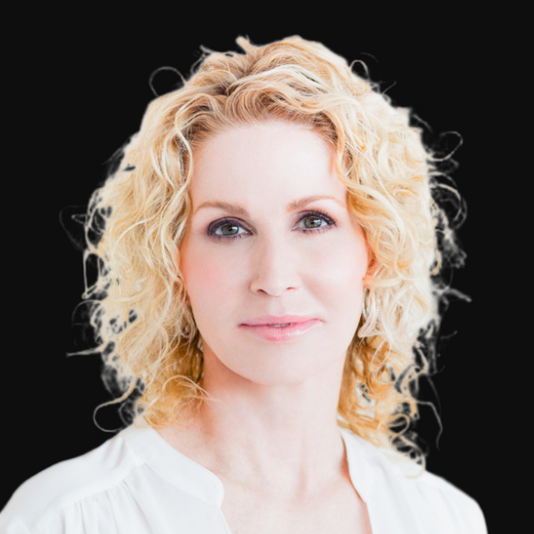
Dr. Michele Finley
Meet Michele Finley, MD, a renowned expert in cosmetic treatments, dedicated to enhancing your beauty and confidence with personalized care and precision.